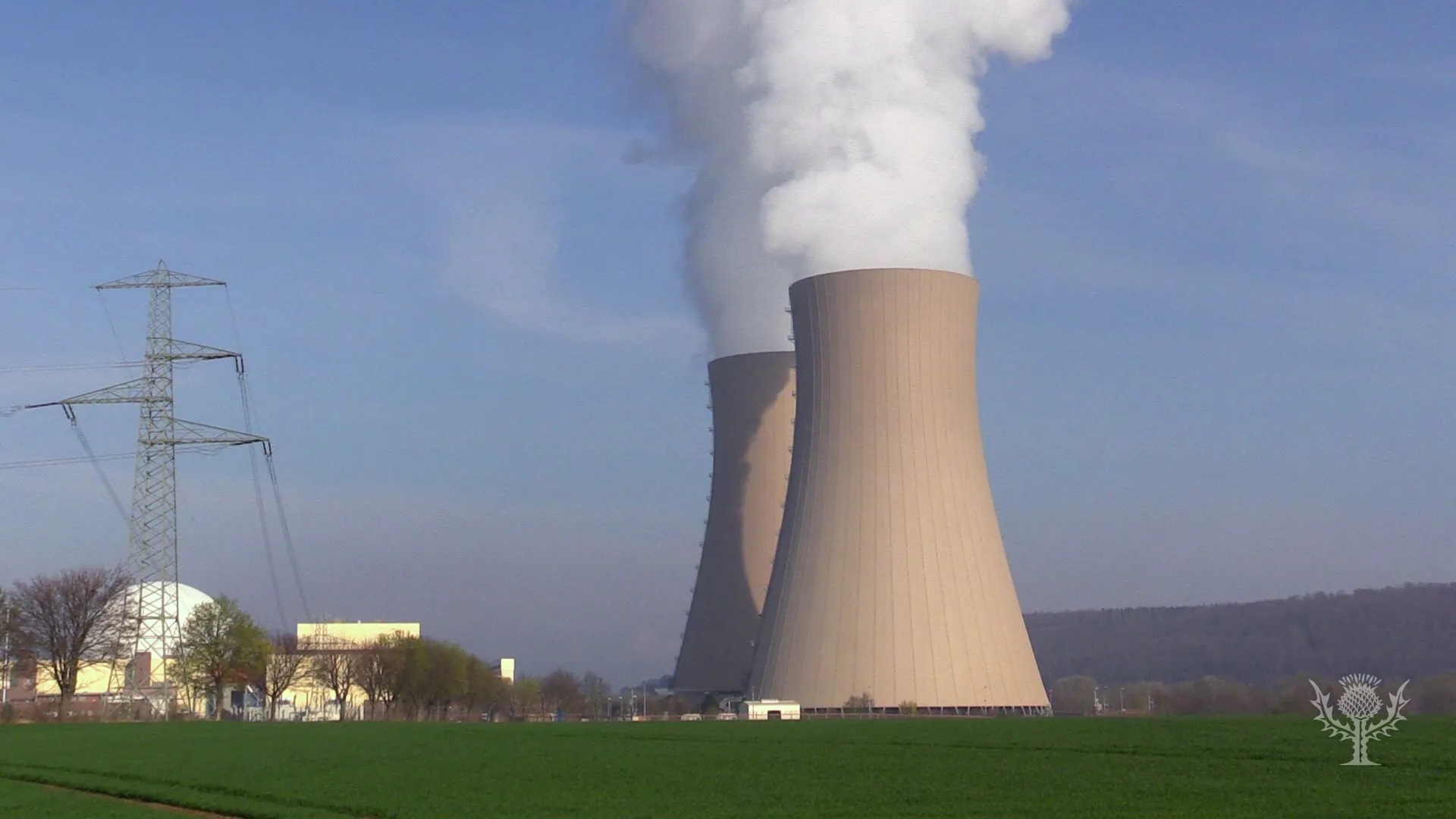
As Malaysia accelerates its transition toward net-zero emissions, the conversation around nuclear energy has re-emerged, writes The Star newspaper columnist Trung Ghi who is the partner and head of energy and utilities practice at Arthur D. Little South-East Asia, Australia and Singapore, an international management consulting firm.
With renewable capacity—especially solar—scaling rapidly, the central challenge is no longer decarbonisation alone, but how to do so while maintaining affordability, reliability and energy security.
Nuclear power, once considered politically untouchable, is increasingly being discussed as a potential component of Malaysia’s long-term energy mix.
From an environmental perspective, nuclear power offers a critical advantage: firm, low-carbon electricity. While solar and wind are essential to Malaysia’s energy transition, their intermittency creates system-level challenges at scale.
Arthur D. Little’s system modelling shows that once variable renewables approach around 60% to 70% of generation in typical power systems, overall system costs begin to rise disproportionately unless firm capacity is added.
This is due to the growing need for energy storage, backup generation and grid reinforcement. At high renewable penetration levels, our analysis shows that a growing share of total power system costs shifts away from generation itself toward flexibility assets such as storage, reserve capacity and grid reinforcement.
Read the rest of the column here.