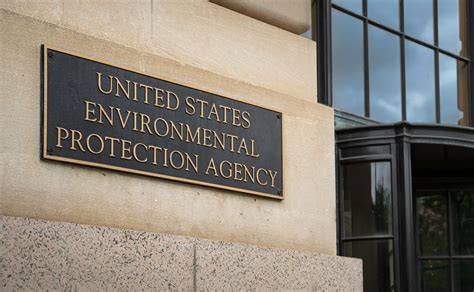
The Trump administration’s decision to withdraw the US government’s ability under the Clean Air Act to regulate greenhouse gas emissions from vehicles will also affect power companies and the oil and gas industry, but legal experts disagree on how, reported S&P Global.
The 2009 greenhouse gas endangerment finding issued for mobile sources also provides the legally required finding that the US Environmental Protection Agency has relied on to regulate GHG emissions from other industrial sources, including the power sector and, for methane emissions, the oil and natural gas sector, according to David Hayes, professor at Stanford University’s School of Sustainability. Hayes served as a special climate policy assistant to former President Joe Biden.
The EPA on Feb. 12 issued a final rule repealing that 2009 finding.
Among immediate concerns for the oil and gas sector in particular are state climate lawsuits.
Given the EPA’s repeal, the so-called preemption under the Clean Air Act can no longer be invoked to halt state and local climate lawsuits, David Amerikaner, a partner with Duane Morris, said.
“With EPA withdrawing from its role as the regulator of greenhouse gas emissions, there’s no preemption anymore that shielded energy and industry players from climate tort lawsuits,” Amerikaner said in an interview. “It’s now ceding that ground and I think we should expect a wave of litigation in many states.”