• About Us
  • Contact Us
SUBSCRIBE
Saturday, April 18, 2026
No Result
View All Result
Green Mile
Advertisement
  • Spotlights
  • Sustainability
  • Waste Management
  • Green Innovations
  • Industries
    • Oil & Gas
    • Re-refinery
    • Maritime
    • Automotive
    • Manufacturing
    • Plantation
  • News
    • News
    • EPR Updates
    • Base Oil Update
  • eMag
  • Spotlights
  • Sustainability
  • Waste Management
  • Green Innovations
  • Industries
    • Oil & Gas
    • Re-refinery
    • Maritime
    • Automotive
    • Manufacturing
    • Plantation
  • News
    • News
    • EPR Updates
    • Base Oil Update
  • eMag
No Result
View All Result
Green Mile
No Result
View All Result
Home News

Lessons from the sea: Nature shows us how to get ‘forever chemicals’ out of batteries – The Conversation.

rakesh by rakesh
26/02/2026
in News
0
Lessons from the sea: Nature shows us how to get ‘forever chemicals’ out of batteries – The Conversation.

Marine animals like octopuses produce strong natural adhesives that enable them to stick to wet and slippery surfaces.

0
SHARES
0
VIEWS
Share on FacebookShare on LinkedinShare to EmailShare to WhatsAppShare to TelegramShare to ChatGPTShare to Pinterest

The following is an excerpt from a feature in The Conversation. Read full piece here.

As the world races to electrify everything from cars to cities, the demand for high-performance, long-lasting batteries is soaring. But the uncomfortable truth is this: many of the batteries powering our “green” technologies aren’t as green as we might think.

Most commercial batteries rely on fluorinated polymer binders to hold them together, such as polyvinylidene fluoride. These materials perform well — they’re chemically stable, resistant to heat and very durable. But they come with a hidden environmental price.

Fluorinated polymers are derived from fluorine-containing chemicals that don’t easily degrade, releasing persistent pollutants called PFAS (per- and polyfluoroalkyl substances) during their production and disposal. Once they enter the environment, PFAS can remain in water, soil and even human tissue for hundreds of years, earning them the nickname “forever chemicals.”

Read further here.

Previous Post

A simple water shift could turn Arctic farmland into a carbon sink

Next Post

How Australia’s new fuel efficiency scheme quietly created a carbon currency for cars ‑ and it’s working – The Conversation

rakesh

rakesh

Related Posts

Decarbonisation a ‘critical corporate priority’ for Mitsubishi Corporation
News

Decarbonisation a ‘critical corporate priority’ for Mitsubishi Corporation

by rakesh
31/03/2026
Sustainability at scale: The Siemens Playbook for India’s net-zero future – Forbes
News

Sustainability at scale: The Siemens Playbook for India’s net-zero future – Forbes

by rakesh
31/03/2026
Tourism Australia unveils industry sustainability initiative
News

Tourism Australia unveils industry sustainability initiative

by rakesh
31/03/2026
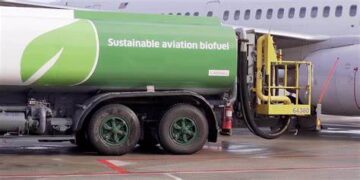
SAF: The most promising path to green flight.
News

Rising oil prices amid Iran war renew focus on sustainable aviation fuel – CNA

by rakesh
31/03/2026
Sustainability increasingly linked to financial performance, study finds
News

Sustainability increasingly linked to financial performance, study finds

by rakesh
31/03/2026
Next Post
How Australia’s new fuel efficiency scheme quietly created a carbon currency for cars ‑ and it’s working – The Conversation

How Australia’s new fuel efficiency scheme quietly created a carbon currency for cars ‑ and it’s working – The Conversation

Premium Content

Perak gazettes 887.24ha of new permanent forest reserves

Perak gazettes 887.24ha of new permanent forest reserves

03/12/2025
Qatar LNG, Saudi refinery, Israeli oil, gas fields down due to Mideast strikes

Qatar LNG, Saudi refinery, Israeli oil, gas fields down due to Mideast strikes

03/03/2026
Europe dangerously unprepared for worsening wildfires, report says

Europe dangerously unprepared for worsening wildfires, report says

25/03/2026

Browse by Category

  • Automotive
  • Green Innovations
  • Maritime
  • News
  • Oil & Gas
  • Plantation
  • Re-refinery
  • Spotlights
  • Sustainability
  • Waste Management
Green Mile

Green Mile (GM) is a leading online magazine dedicated to fostering sustainable waste management practices, sustainability and the circular economy.

Categories

  • Automotive
  • Green Innovations
  • Maritime
  • News
  • Oil & Gas
  • Plantation
  • Re-refinery
  • Spotlights
  • Sustainability
  • Waste Management

Recent Posts

  • Decarbonisation a ‘critical corporate priority’ for Mitsubishi Corporation
  • Sustainability at scale: The Siemens Playbook for India’s net-zero future – Forbes
  • Tourism Australia unveils industry sustainability initiative

Contact Us

HQ address:
Level 23A, EXSIM Tower @ Millerz Square,
Jalan Klang Lama, 58000 Kuala Lumpur.
Office no: ‪+603-8080 1000‬

Gunaprasth Bupalan, Editor-In-Chief
Guna@greenmile.com.my
Contact no: ‪+6017-920 3544‬

Jeffrey Chiak- Head of Marketing
jeffrey@greenmile.com.my
H/P no: 6012-358 7296

© 2025 Green Mile Communications Sdn. Bhd. 202501049682 (1651090-M) | Developed by CL Online Marketing Agency

No Result
View All Result
  • Home
  • Sustainability
  • Waste Management
  • Green Innovations
  • Oil & Gas
  • Re-refinery
  • Plantation
  • Maritime
  • Automotive
  • Manufacturing
  • EPR Updates

© 2025 Green Mile Communications Sdn. Bhd. 202501049682 (1651090-M) | Developed by CL Online Marketing Agency