The following is an excerpt from a feature article by Paula Pérez González-Anguiano written for Earth.org. Read the whole article here.
Valourising CO2 involves turning it into a useful resource instead of just removing it. Although it is chemically stable and hard to transform, advances in chemistry, biology, and energy systems are making more applications possible.
Have you ever considered that the future of decarbonization could involve capturing carbon dioxide (CO2) with certain technologies and then using it to create products and materials? As unbelievable as it may seem, it is possible.
Climate change is having dangerous impacts on nature and people in every region of the world, threatening, among others, health, food security, and water supplies. Our planet has already warmed by 1.3C compared to pre-industrial times because of the influence of greenhouse gas emissions from human activities in the atmosphere. While nearly every country in the world has agreed to limit warming to 1.5C, the reality is that we are far off track – and every fraction of additional warming exacerbates the impacts of climate change.
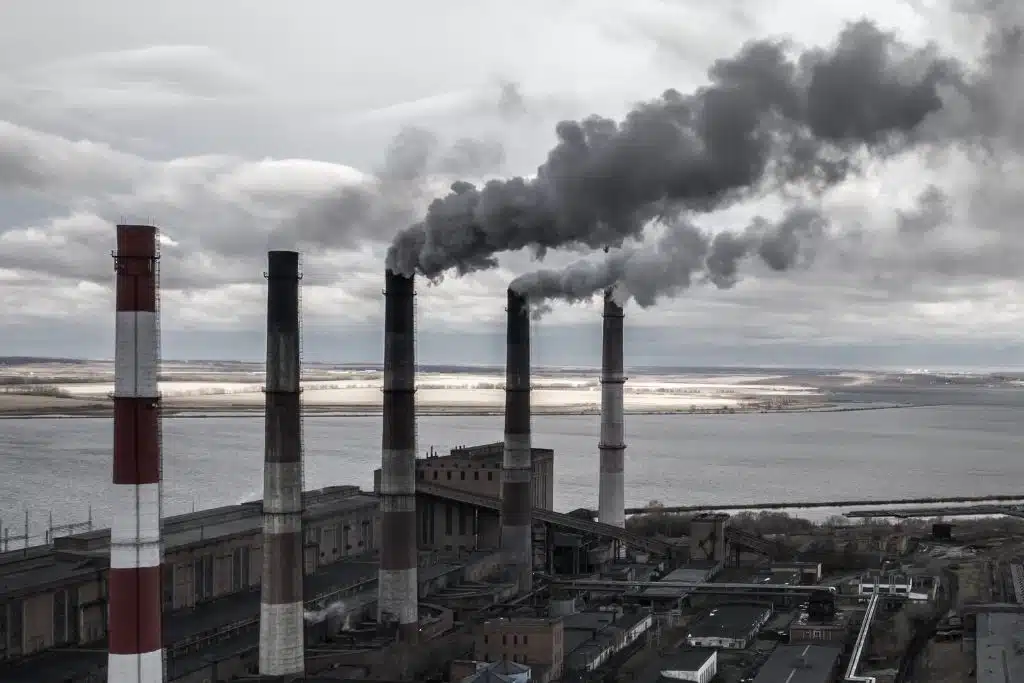
In 2024, CO2 emissions from energy use increased slightly (0.8%) to record levels. This also pushed atmospheric CO2 levels to their highest point ever. Most of the increase came from burning fossil fuels, while emissions from some industrial activities decreased. Despite reductions in advanced economies, the global total of CO2 continues to rise because emissions are increasing in developing countries. The most polluting sectors are energy combustion (electricity and heat), transport, and industrial processes (production of cement, steel or chemicals).
Ecosystems such as forests, soils, wetlands, and oceans act as so-called carbon sinks, continuously absorbing CO2 through biological and physicochemical mechanisms. Scientific reviews underline that protecting and restoring these natural sinks is essential, as their degradation can rapidly turn them from carbon absorbers into carbon sources. While playing a critical role in stabilizing atmospheric CO2 levels, natural systems alone cannot offset all anthropogenic – or human-caused – emissions. That’s where engineered solutions come in.
Read the rest of the article here.