The impact of sustainable transportation on the environment is direct and measurable: shifting to electric fleets, shared micromobility and low-carbon electricity can markedly reduce per‑kilometre CO₂ and particulate emissions, especially outside central urban cores.
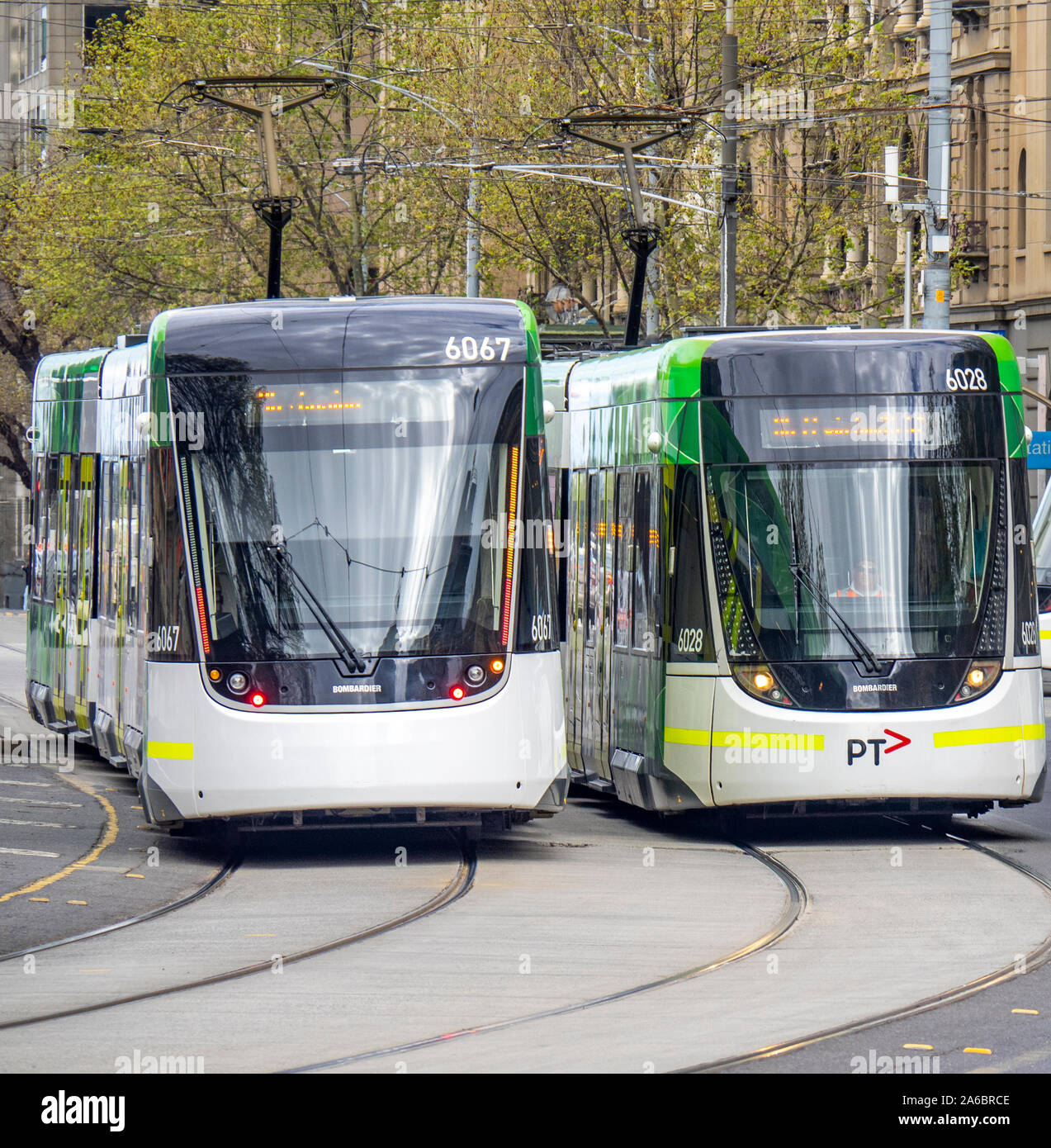
According to the portal Sustainability Times, well-designed public systems—bus rapid transit, rail, electric buses and trams—deliver higher capacity with lower emissions per passenger, cut congestion and free urban space, making them more efficient than expanding road infrastructure for private cars.
Prioritizsng walking, cycling and compact land use improves public health, widens access for low‑income households and reduces social costs from air pollution, sedentary lifestyles and forced car ownership.
Real sustainability requires life‑cycle assessment and strong policy: incentives, integrated pricing, modal shift targets and clean energy deployment are needed to decarbonize transport while creating jobs and protecting equity.
Read the rest here.