The United Nations’ Sustainable Development Goals (SDG) 2 calls for the eradication of hunger and the promotion of sustainable agriculture by 2030.
Yet, the road to this ambition is marked by a troubling paradox: our growing appetite for animal protein is straining the very planetary system that sustains food production, says a column co-authored by Alessandra Nasharyna Anak George Martin, Geetha Chandra Regan, and Dr. Mohd Istajib Mokhtar are affiliated with the Department of Science and Technology Studies, Faculty of Science, Universiti Malaya in The Malay Mail.
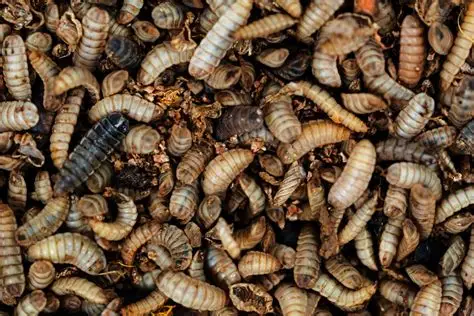
One unexpected solution now buzzing into the spotlight is Black Soldier Fly Larvae (BSFL) farming, which transforms organic waste into high-value animal feed and offers a pathway toward a more resilient food system. But while science is promising, the laws that govern food and feed remain stuck in the past, it said.
The report cited recent analyses in Sustainable Earth Reviews warn that progress toward SDG 2 is increasingly threatened by overlapping ecological, economic, and political disruptions. Unless our regulatory frameworks catch up with innovation, this “polycrisis” will continue to hinder sustainable solutions.
“One unexpected solution now buzzing into the spotlight is Black Soldier Fly Larvae (BSFL) farming, which transforms organic waste into high-value animal feed and offers a pathway toward a more resilient food system,” the column noted adding that while science is promising, the laws that govern food and feed remain stuck in the past.
“A major part of the challenge lies in what we feed our livestock,” the authors noted, adding that conventional feed ingredients such as soy, corn, and wheat require vast amounts of arable land, water, and energy to produce – and all this effort goes not toward feeding humans, but toward feeding the animals humans eat. This system directly contradicts SDG 2’s emphasis on sustainable production and resilient agricultural practices.
“A 2022 study by the International University of Japan shows that weak institutions and poor governance further undermine a country’s ability to achieve food security. Structural inefficiencies, resource misallocation, and governance gaps all contribute to higher food costs and persistent hunger.” Read rest of the report here.