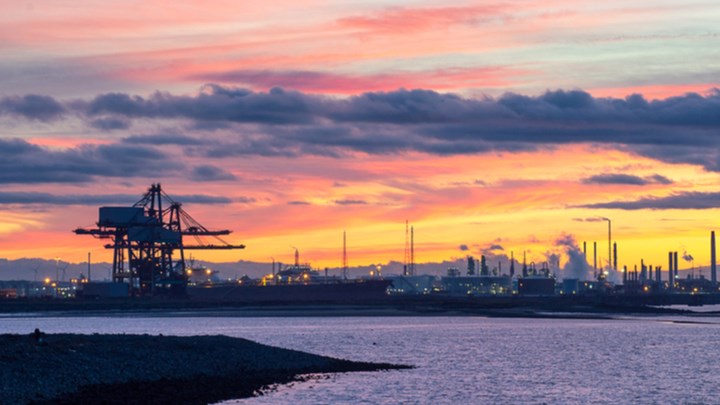
BP cancelled its landmark project in Teesside, faced with a reduced demand outlook and competition from a rival data center project on the site.
The UK government said it remains committed to supporting low-carbon hydrogen production after BP cancelled its landmark project in Teesside, faced with a reduced demand outlook and competition from a rival data center project on the site.
The Department for Energy Security and Net Zero had been due to rule on a planning application for BP’s 600-MW H2Teesside carbon capture-enabled hydrogen plant by Dec. 4, but the company withdrew the application on Dec. 1, citing “material and significant changes in circumstances.”
BP’s decision comes after the local council granted planning permission for an AI data center on the same site earlier in 2025 and a weaker demand picture for low-carbon hydrogen after some “major industrial consumers” scaled back or delayed decarbonization plans, it said in a letter to the UK planning inspectorate Dec. 1.
A DESNZ spokesperson told Platts, part of S&P Global Energy, that the decision was BP’s and the government remained committed to hydrogen developments in the region.
“This is a decision taken by BP,” the spokesperson said by email on Dec. 2. “We continue to provide a route for hydrogen projects in Teesside, including Tees Green Hydrogen, which is moving towards final investment decision, along with several other projects creating high-quality jobs for the region.”
EDF’s 7.5-MW Tees Green Hydrogen 1 pilot electrolyzer secured funding under the government’s first electrolytic hydrogen allocation round, HAR1, with the expanded 100-MW phase 2 on the HAR2 shortlist