The Government of the Union of Comoros today launched a major new climate resilience initiative backed by a US $10 million grant from the Global Environment Facility (GEF) and US $44 million in co-financing from partners including the World Bank and the French Development Agency. The investment aims to help safeguard 140,000 coastal residents by restoring, protecting, and sustainably managing 6,200 hectares of mangroves, beaches, and upper watersheds that make up the islands’ natural defence system.
The five-year project is being executed by the Comorian General Directorate of Environment and Forests (DGEF), in close collaboration with the UN Environment Programme (UNEP). The initiative’s approach — known as ecosystem-based adaptation — uses nature to reduce climate risks while strengthening food security, livelihoods, and biodiersity.
As a Small Island Developing State in the Indian Ocean, Comoros is already facing higher temperatures, shifting rainfall patterns, and accelerating sea-level rise. With two-thirds of the population living within 2km of the coast, climate-induced flooding, erosion, and salt-water intrusion threaten housing, agriculture, and economic development.
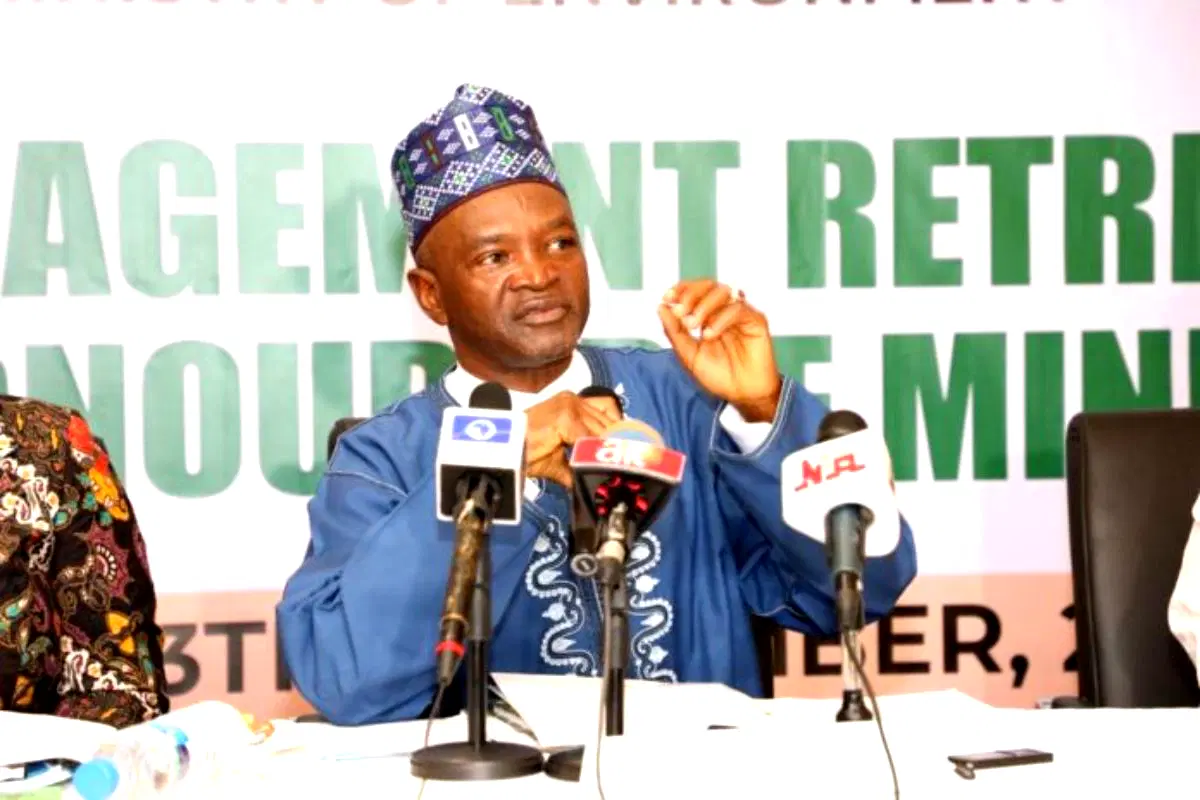
In a speech at the launch ceremony, H.E. Abubakar Ben Mahmoud, Minister of Environment of Comoros, said: “The project is fully aligned with the ambitious vision of the Comoros Emerging Plan 2030, which places environmental sustainability and climate action at the heart of national development. Together, with our partners and our communities, we have a unique opportunity to build lasting resilience.”
To create an enabling environment for ecosystem-based adaptation, eight municipal development plans will be updated through inclusive, gender-transformative processes. At the same time, 10,000 community members will be trained in Integrated Coastal Zone Management and climate-resilient planning, supported by a new participatory monitoring system to ensure community engagement and accountability.