Tropical swamps and peatlands are critical players in Earth’s carbon cycle and, by extension, the global climate. In regions such as the Amazon Basin, the Congo Basin, and the wetlands of Southeast Asia, thick layers of partially decomposed plant material build up over time. Together, these ecosystems lock away roughly 100 gigatonnes of carbon.
At the center of Africa, the Congo Basin contains one of the largest and most significant of these carbon reserves. Although its peatlands and swamps cover just 0.3 percent of the planet’s land surface, they store about one third of all carbon held in tropical peatlands worldwide.
Despite their importance, these remote ecosystems have not been extensively studied. Large parts of the central Congo Basin are difficult to reach, and travel to isolated lakes and swamps often requires boats or traditional pirogues. As a result, their influence on the global climate has remained uncertain, noted The Science Daily.
Over the past decade, a team led by ETH Zurich has been investigating the Congo Basin more closely. Their work has already revealed unexpected findings, including the Ruki River, one of the darkest blackwater rivers on Earth.
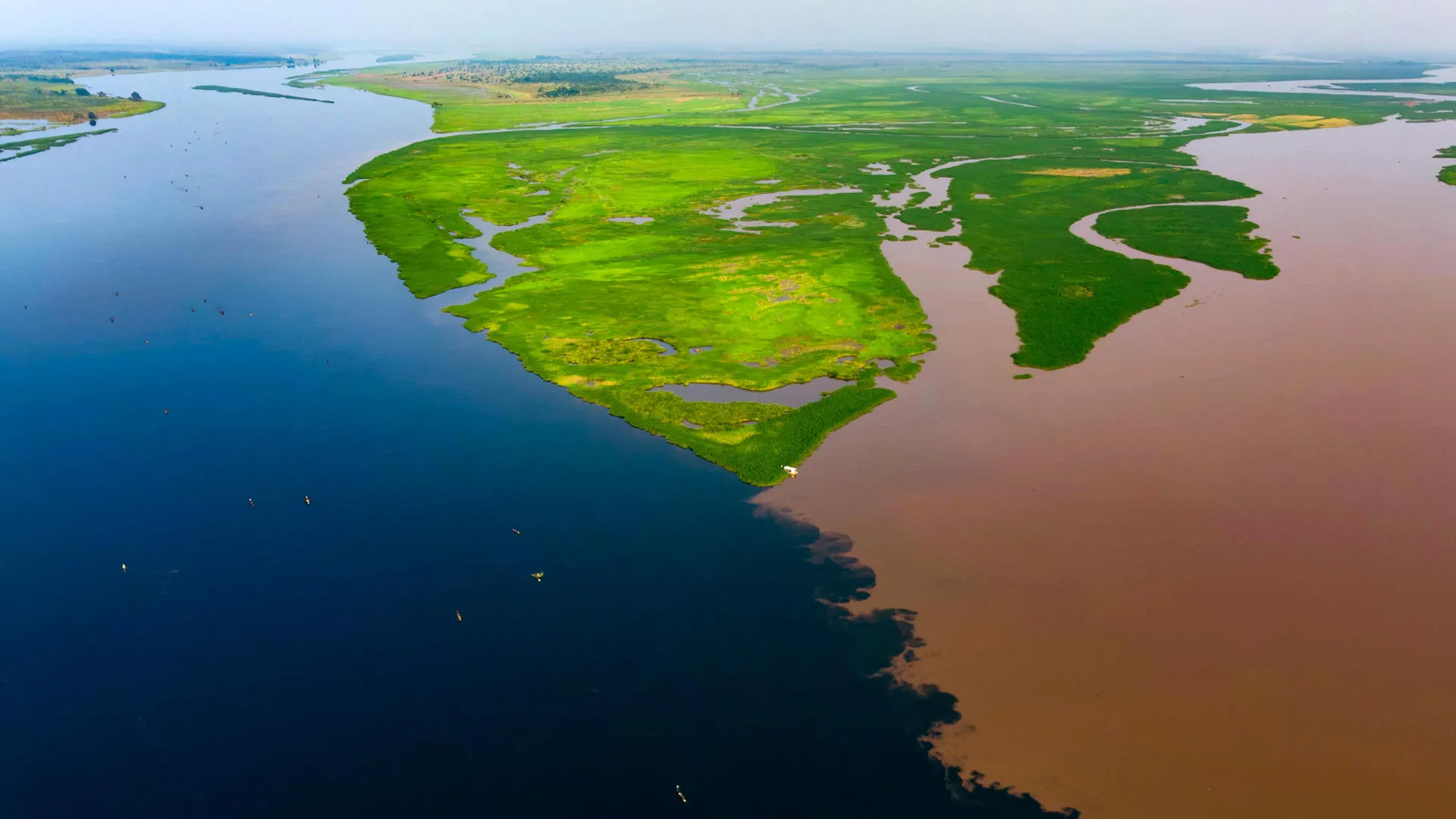
In a recent study published in Nature Geoscience, the researchers turned their attention to two blackwater lakes stained dark by plant material: Africa’s largest blackwater lake, Lac Mai Ndombe, and the smaller Lac Tumba. Once again, they encountered an unexpected result.
Lake Mai Ndombe is more than four times larger than Lake Constance, and its water resembles strong black tea. It is bordered by vast swamp forests and largely undisturbed lowland rainforest growing atop deep peat deposits. As plant debris and soil organic matter wash into the lake from surrounding forests, they tint the water a deep brown.
Read the rest of the report here.