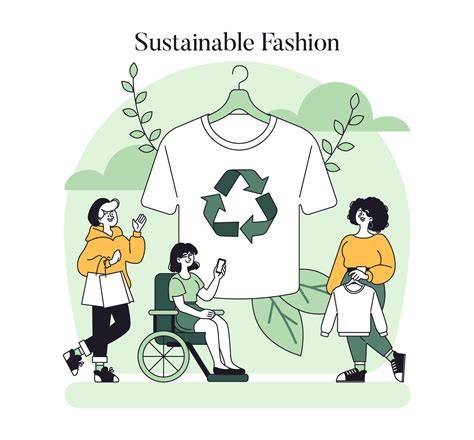
As the fashion industry faces increasing scrutiny over its environmental impact, sustainable fashion brands are emerging as leaders in eco-conscious clothing.
According to the Environmental magazine, these brands prioritise ethical practices, resource efficiency, and innovative materials to create stylish yet sustainable apparel. In this article, we will explore what defines a sustainable fashion brand in 2026, the materials that are considered eco-friendly, and the certifications that ensure ethical practices. Additionally, we will highlight leading eco-friendly clothing brands to watch, including Patagonia, Stella McCartney, and Eileen Fisher, and discuss how emerging brands are innovating with sustainable textiles. By understanding these aspects, consumers can make informed choices that contribute to a more sustainable future.
What Defines a Sustainable Fashion Brand in 2026?
A sustainable fashion brand in 2026 is characterized by its commitment to ethical labor practices, resource efficiency, and purposeful design. These brands focus on minimizing their environmental footprint while ensuring fair treatment of workers throughout their supply chains. By integrating sustainable practices into their business models, they not only address the pressing issues of climate change and social justice but also inspire consumers to make more conscious purchasing decisions. This holistic approach to fashion emphasizes the importance of transparency and accountability in the industry.
Which Materials Are Considered Eco-Friendly and Why?
Close-up of eco-friendly materials like organic cotton and bamboo, emphasizing sustainable textiles
Eco-friendly materials play a crucial role in sustainable fashion, as they reduce the environmental impact of clothing production. Some of the most commonly used eco-friendly materials include:
Organic Cotton: Grown without synthetic pesticides or fertilizers, organic cotton is better for the environment and the health of farmers.
Bamboo: This fast-growing plant requires minimal water and no synthetic pesticides, making it a sustainable choice for textiles.
Tencel: Made from sustainably sourced wood pulp, Tencel is biodegradable and produced in a closed-loop process that recycles water and solvents.
Read the rest of the feature article here.