Oil markets have been thrown into turmoil as conflict in the Middle East intensifies, sending crude prices spiraling and rippling across global industries, including aviation.
Multiple airlines have begun raising ticket prices and travellers are already feeling the squeeze as jet fuel costs surge.
Since the United States and Israel launched strikes on Iran two weeks ago, Tehran has responded with attacks on oil infrastructure in the Gulf and disrupted shipping through the Strait of Hormuz – a critical chokepoint through which one-fifth of the world’s oil supply passes – sending energy markets into upheaval.
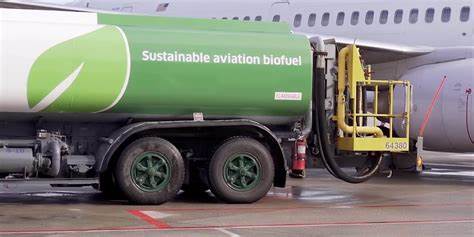
As airlines once again confront the volatility of fossil fuel markets, attention is turning to a viable alternative: sustainable aviation fuel (SAF).
And the raw material may be closer than most people think.
SAF is a cleaner, non-petroleum-based jet fuel produced from unwanted waste and residue generated by various industrial and food processes.
Feedstocks include used cooking oil, agricultural residue and municipal waste.
These materials are refined into a low-carbon fuel that can be blended with conventional jet fuel and used in existing aircraft engines without modification.
Read the rest here.