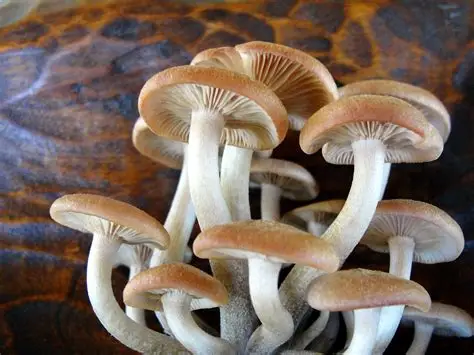
A recent study published November 19 in Trends in Biotechnology reports that scientists used the gene-editing tool CRISPR to improve how efficiently a fungus produces protein while also lowering the environmental footprint of that production by as much as 61% — all without introducing foreign DNA. The modified fungus has a meatlike flavour and is easier for people to digest than the natural strain it originated from.
“There is a popular demand for better and more sustainable protein for food,” says corresponding author Xiao Liu of Jiangnan University in Wuxi, China. “We successfully made a fungus not only more nutritious but also more environmentally friendly by tweaking its genes.”
Animal agriculture accounts for about 14% of global greenhouse gas emissions. It also requires large amounts of land and fresh water, both of which are increasingly strained by climate change and human activity. Because of these challenges, microbial proteins found in yeast and fungi have gained attention as promising alternatives to meat.
Even with its advantages, Fusarium venenatum has thick cell walls that limit how well humans can digest it. Producing it is also resource intensive. Growing even modest quantities of mycoprotein requires significant inputs, and the spores must be cultivated in large metal tanks filled with sugar-rich feedstock and added nutrients such as ammonium sulfate.
Liu and his colleagues wanted to determine whether CRISPR could make this fungus easier to digest and more efficient to grow while still avoiding the introduction of foreign DNA into the organism.
Among the many mycoprotein sources studied so far, the fungus Fusarium venenatum has become a prominent choice because its natural flavour and texture closely mimic meat. It has already been approved for consumption in several regions, including the United Kingdom, China, and the United States.