


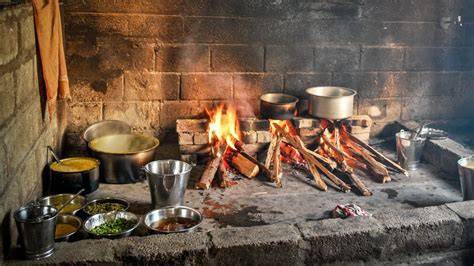
Laos’s household energy landscape reflects a broader development challenge across Southeast Asia: heavy reliance on traditional biomass fuels for cooking contributes to significant greenhouse gas emissions, indoor air pollution, and public health burdens. In this context, carbon financing mechanisms that support the distribution of improved cookstoves (ICS) have emerged as a hybrid environmental-development intervention — aiming to reduce fuel use, cut emissions, and improve living conditions simultaneously.
The Grouped Projects for Laos Improved Cookstove initiative (Verra Project ID 2924) is designed to reduce woodfuel consumption among traditional stove users by distributing ICS to households with no prior access. By lowering woodfuel demand, the project targets associated greenhouse gas emissions, air pollution exposures, and the drudgery of fuel collection — key concerns for rural Lao communities where wood and charcoal remain dominant cooking fuels. The activity is registered under the VMR0006 protocol and its crediting period runs through March 2033, placing it squarely within the voluntary carbon market’s energy demand category.
Laos’s household energy landscape reflects a broader development challenge across Southeast Asia: heavy reliance on traditional biomass fuels for cooking contributes to significant greenhouse gas emissions, indoor air pollution, and public health burdens. In this context, carbon financing mechanisms that support the distribution of improved cookstoves (ICS) have emerged as a hybrid environmental-development intervention — aiming to reduce fuel use, cut emissions, and improve living conditions simultaneously.
The Grouped Projects for Laos Improved Cookstove initiative (Verra Project ID 2924) is designed to reduce woodfuel consumption among traditional stove users by distributing ICS to households with no prior access. By lowering woodfuel demand, the project targets associated greenhouse gas emissions, air pollution exposures, and the drudgery of fuel collection — key concerns for rural Lao communities where wood and charcoal remain dominant cooking fuels. The activity is registered under the VMR0006 protocol and its crediting period runs through March 2033, placing it squarely within the voluntary carbon market’s energy demand category.


