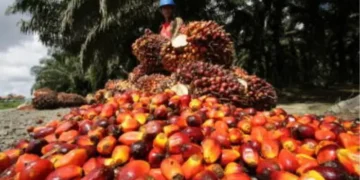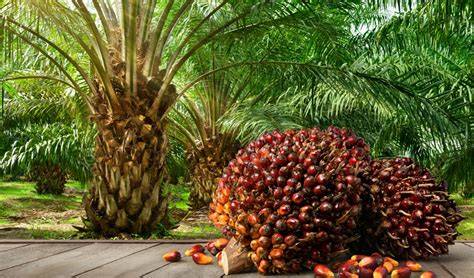
Indonesia’s rise as the undisputed giant of global palm oil has few parallels in the modern commodity economy. No other country has so thoroughly converted a natural comparative advantage, climate suitability, abundant land and an early start in plantation development into such sweeping economic and geopolitical leverage, says an op-ed in Asiatimes.com
Palm oil today underpins millions of livelihoods, fuels a vast ecosystem of smallholders and industrial estates, and anchors Indonesia’s position as the world’s leading producer of crude palm oil (CPO).
Yet the ascent has been accompanied by undeniable ecological costs, and those costs are now mounting in ways that directly threaten the durability of Indonesia’s hard-earned advantage.
At present, Indonesia manages an oil-palm estate of roughly 16 million hectares, a scale unmatched by any other country. Annual output routinely climbs above 55 million tonnes of palm oil products, positioning Indonesia not merely as a major player, but as the global price setter.
Malaysia, once the dominant force, now operates at roughly one-third of that scale, with around five to six million hectares and annual production in the 20 million-tonne range. This asymmetry is not trivial.
Read more here.