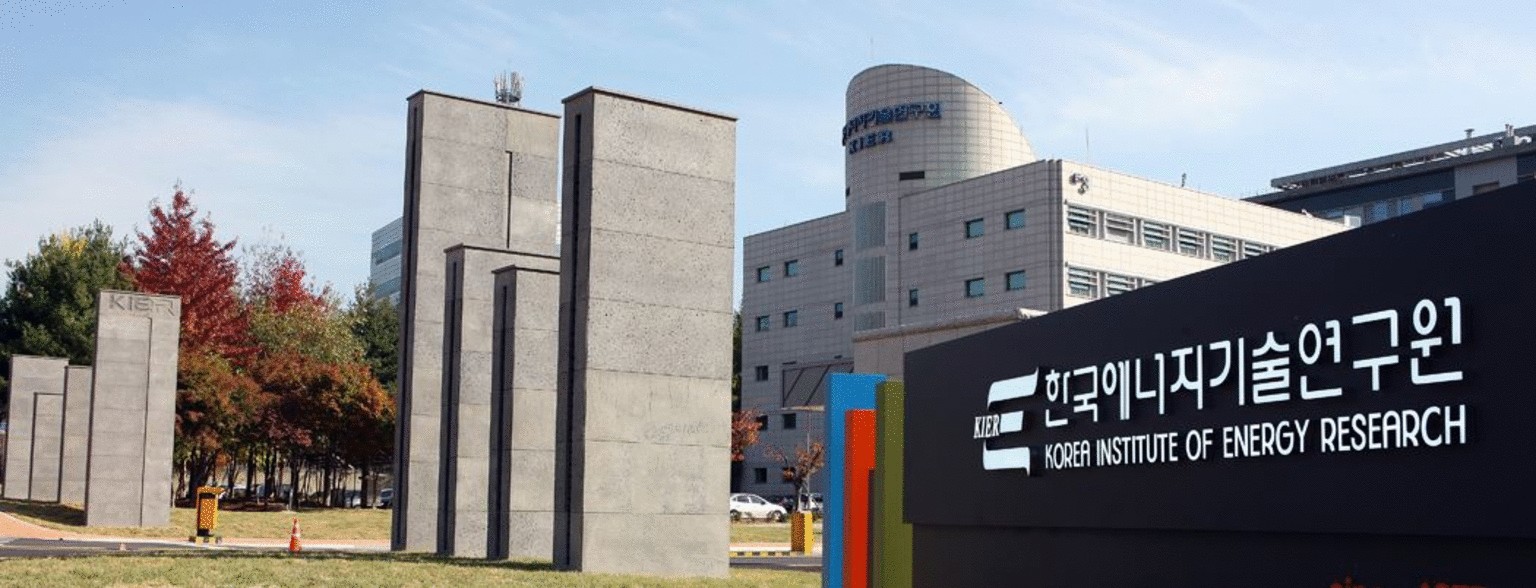
A team of researchers from the Korea Institute of Energy Research (KIER) has developed an innovative catalyst that efficiently converts carbon dioxide (CO2) into carbon monoxide (CO), a critical component for producing eco-friendly fuels says a report.
Led by Dr. Kee Young Koo, the team has focused on enhancing the reverse water-gas shift (RWGS) reaction, a process that traditionally requires high temperatures and suffers from efficiency issues. The breakthrough involves a new copper-based catalyst that operates effectively at significantly lower temperatures, offering an economical and environmentally friendly alternative in the quest for carbon neutrality.
The reverse water-gas shift (RWGS) reaction is pivotal in the conversion of CO2 into useful fuel components. It involves the reaction of CO2 with hydrogen to produce carbon monoxide and water. This process is seen as a promising avenue for sustainable fuel production, as it allows for the recycling of CO2 into materials that can be used to create synthetic fuels like e-fuels and methanol. These fuels are gaining attention as potential alternatives to fossil fuels, especially in sectors that are difficult to decarbonise.
Traditionally, the RWGS reaction is conducted at temperatures exceeding 1,472 degrees Fahrenheit. Nickel-based catalysts are commonly used due to their ability to withstand such high temperatures. However, these catalysts experience performance degradation over time, as particles tend to clump together, resulting in reduced surface area and efficiency. Operating at lower temperatures can mitigate this problem, but it often leads to unwanted byproducts like methane, which in turn reduces the yield of carbon monoxide.