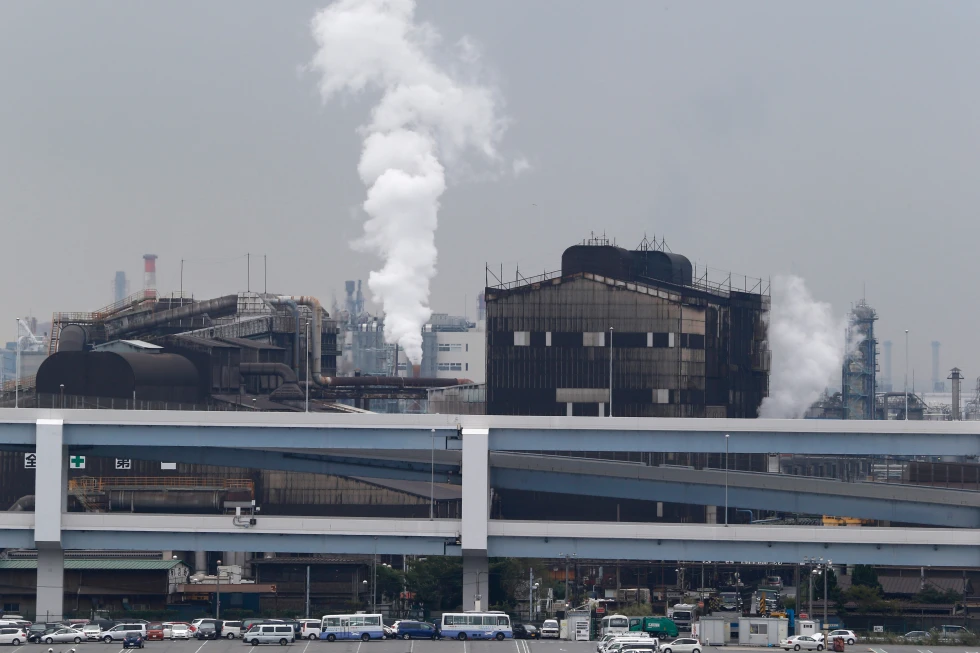
Japan wants to ship carbon emissions to Malaysia in a first-of-its-kind project in Southeast Asia for carbon capture and storage, a widely debated process that critics say is more symbolic than effective in curbing climate change.
Despite such doubts, Malaysia is positioning itself as Southeast Asia’s hub for the alternative technology, a three-step process that captures, transports and buries carbon dioxide which contributes to climate change. With about 81% of Malaysia’s electricity generated from fossil fuels, climate activists say carbon capture is an expensive distraction from proven emissions-reducing actions such as transitioning to renewable energy.
Japan, one of the world’s top carbon emitters, plans to ship emissions from its heavily polluting industries –– spanning electric power, oil refining, cement, shipping and steel –– to Malaysia within the next few years. If the project succeeds, experts say it may blaze a path for other Southeast Asian nations with carbon storage potential, like Indonesia and Thailand.
Detractors say it will slow progress of already off-track global efforts to curb emissions