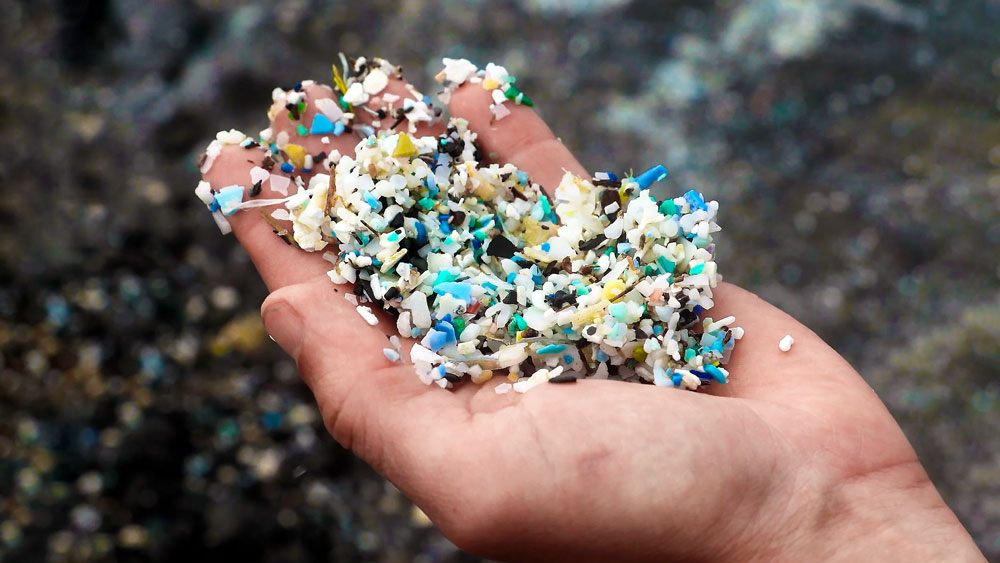
Researchers have found that microplastics drifting through rivers, lakes, and oceans constantly release a complex blend of dissolved organic chemicals into the water. This chemical leakage continues over time and becomes much more intense when plastics are exposed to sunlight. The new findings offer the most detailed molecular-level picture so far of how microplastic-derived dissolved organic matter, known as MPs DOM, forms and changes in natural aquatic environments, says Science Daily.
The research, published in New Contaminants, examined four common types of plastic and compared the chemicals they released with naturally occurring dissolved organic matter found in rivers. By combining kinetic modeling with fluorescence spectroscopy, high-resolution mass spectrometry, and infrared analysis, the team showed that each plastic type releases its own unique chemical mixture. These chemical signatures shift as sunlight gradually breaks down plastic surfaces.
“Microplastics do not just pollute aquatic environments as visible particles. They also create an invisible chemical plume that changes as they weather,” said lead author Jiunian Guan of Northeast Normal University. “Our study shows that sunlight is the primary driver of this process, and that the molecules released from plastics are very different from those produced naturally in rivers and soils.”
To better understand how light affects plastic breakdown, the researchers exposed polyethylene, polyethylene terephthalate, polylactic acid, and polybutylene adipate co terephthalate microplastics to water under both dark and ultraviolet conditions for up to 96 hours. Exposure to sunlight sharply increased the amount of dissolved organic carbon released by every plastic tested. Plastics labeled as biodegradable, including PLA and PBAT, released the largest amounts, reflecting their less stable chemical structures.
Read more here.