• About Us
  • Contact Us
SUBSCRIBE
Saturday, June 6, 2026
No Result
View All Result
Green Mile
Advertisement
  • Spotlights
  • Sustainability
  • Waste Management
  • Green Innovations
  • Industries
    • Oil & Gas
    • Re-refinery
    • Maritime
    • Automotive
    • Manufacturing
    • Plantation
  • News
    • News
    • EPR Updates
    • Base Oil Update
  • eMag
  • Spotlights
  • Sustainability
  • Waste Management
  • Green Innovations
  • Industries
    • Oil & Gas
    • Re-refinery
    • Maritime
    • Automotive
    • Manufacturing
    • Plantation
  • News
    • News
    • EPR Updates
    • Base Oil Update
  • eMag
No Result
View All Result
Green Mile
No Result
View All Result
Home News

Scientists trace fertilizer microplastics from fields to beaches

Tiny plastic coatings from farm fertilizers are quietly reshaping the mystery of “missing plastics” in the ocean.

rakesh by rakesh
22/01/2026
in News
0
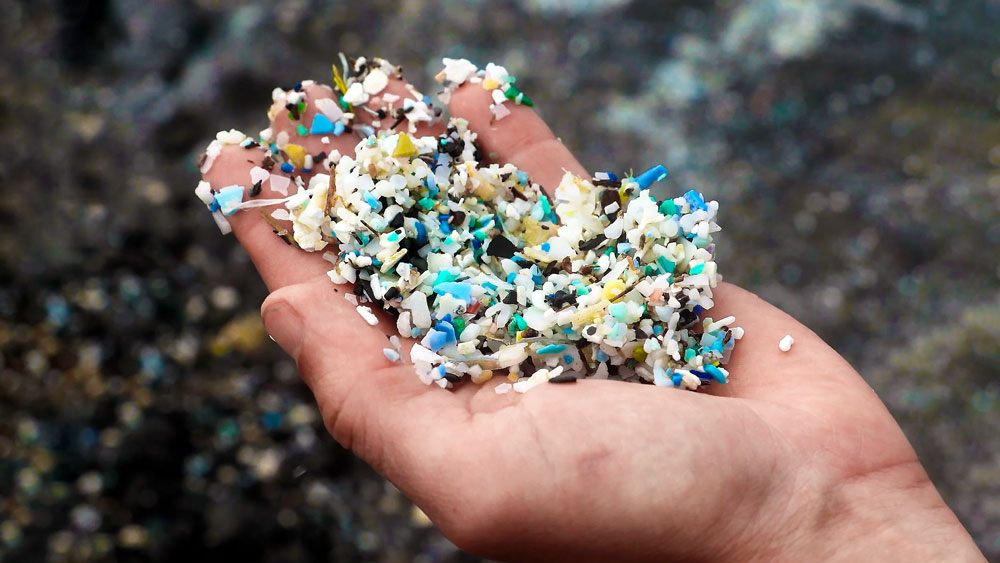
Microplastics are leaking invisible chemical clouds into water

Scientists estimate that roughly 90% of the plastic that has entered the ocean is no longer visible at the surface..

0
SHARES
0
VIEWS
Share on FacebookShare on LinkedinShare to EmailShare to WhatsAppShare to TelegramShare to ChatGPTShare to Pinterest

Researchers at Tokyo Metropolitan University set out to understand how polymer-coated fertilizer (PCF) used on farmland eventually reaches beaches and ocean waters. By examining PCF debris collected from shorelines across Japan, they found that very little fertilizer plastic returns to land through rivers.

According to a report by Science Daily, only about 0.2% of the PCFs applied in nearby areas were detected on beaches near river mouths. However, the picture changes dramatically when farmland is connected to the ocean by canals. In those cases, as much as 28% of the fertilizer plastic was found washing back onto shore. These results point to beaches as a potentially important but overlooked “sink” in the global movement of plastic pollution.

Plastic pollution in the ocean threatens marine life, ecosystems, and human health. Scientists estimate that roughly 90% of the plastic that has entered the ocean is no longer visible at the surface. Much of it is believed to have settled on the seafloor or become trapped in various environmental “sinks.” To reduce the growing problem of plastic waste, researchers are trying to untangle how plastic travels from where it is used on land to where it ultimately ends up in the ocean.
Previous Post

Deloitte’s Daniel Gribbin on what Gulf executives must get right on sustainability in 2026

Next Post

‘Beyond GDP’ economists push for clearer metrics on wellbeing, sustainability

rakesh

rakesh

Related Posts

Decarbonisation a ‘critical corporate priority’ for Mitsubishi Corporation
News

Decarbonisation a ‘critical corporate priority’ for Mitsubishi Corporation

by rakesh
31/03/2026
Sustainability at scale: The Siemens Playbook for India’s net-zero future – Forbes
News

Sustainability at scale: The Siemens Playbook for India’s net-zero future – Forbes

by rakesh
31/03/2026
Tourism Australia unveils industry sustainability initiative
News

Tourism Australia unveils industry sustainability initiative

by rakesh
31/03/2026
SAF: The most promising path to green flight.
News

Rising oil prices amid Iran war renew focus on sustainable aviation fuel – CNA

by rakesh
31/03/2026
Sustainability increasingly linked to financial performance, study finds
News

Sustainability increasingly linked to financial performance, study finds

by rakesh
31/03/2026
Next Post
‘Beyond GDP’ economists push for clearer metrics on wellbeing, sustainability

‘Beyond GDP’ economists push for clearer metrics on wellbeing, sustainability

Premium Content

Technip Energies’ polyester recycler Reju to build plant in France – Reuters

Technip Energies’ polyester recycler Reju to build plant in France – Reuters

19/02/2026
Students votes for plant-based menus at university

Students votes for plant-based menus at university

24/02/2026
Malakoff advances energy transition strategy

Malakoff advances energy transition strategy

28/11/2025

Browse by Category

  • Automotive
  • Green Innovations
  • Maritime
  • News
  • Oil & Gas
  • Plantation
  • Re-refinery
  • Spotlights
  • Sustainability
  • Waste Management
Green Mile

Green Mile (GM) is a leading online magazine dedicated to fostering sustainable waste management practices, sustainability and the circular economy.

Categories

  • Automotive
  • Green Innovations
  • Maritime
  • News
  • Oil & Gas
  • Plantation
  • Re-refinery
  • Spotlights
  • Sustainability
  • Waste Management

Recent Posts

  • Decarbonisation a ‘critical corporate priority’ for Mitsubishi Corporation
  • Sustainability at scale: The Siemens Playbook for India’s net-zero future – Forbes
  • Tourism Australia unveils industry sustainability initiative

Contact Us

HQ address:
Level 23A, EXSIM Tower @ Millerz Square,
Jalan Klang Lama, 58000 Kuala Lumpur.
Office no: ‪+603-8080 1000‬

Gunaprasth Bupalan, Editor-In-Chief
Guna@greenmile.com.my
Contact no: ‪+6017-920 3544‬

Jeffrey Chiak- Head of Marketing
jeffrey@greenmile.com.my
H/P no: 6012-358 7296

© 2025 Green Mile Communications Sdn. Bhd. 202501049682 (1651090-M) | Developed by CL Online Marketing Agency

No Result
View All Result
  • Home
  • Sustainability
  • Waste Management
  • Green Innovations
  • Oil & Gas
  • Re-refinery
  • Plantation
  • Maritime
  • Automotive
  • Manufacturing
  • EPR Updates

© 2025 Green Mile Communications Sdn. Bhd. 202501049682 (1651090-M) | Developed by CL Online Marketing Agency