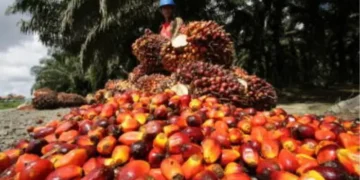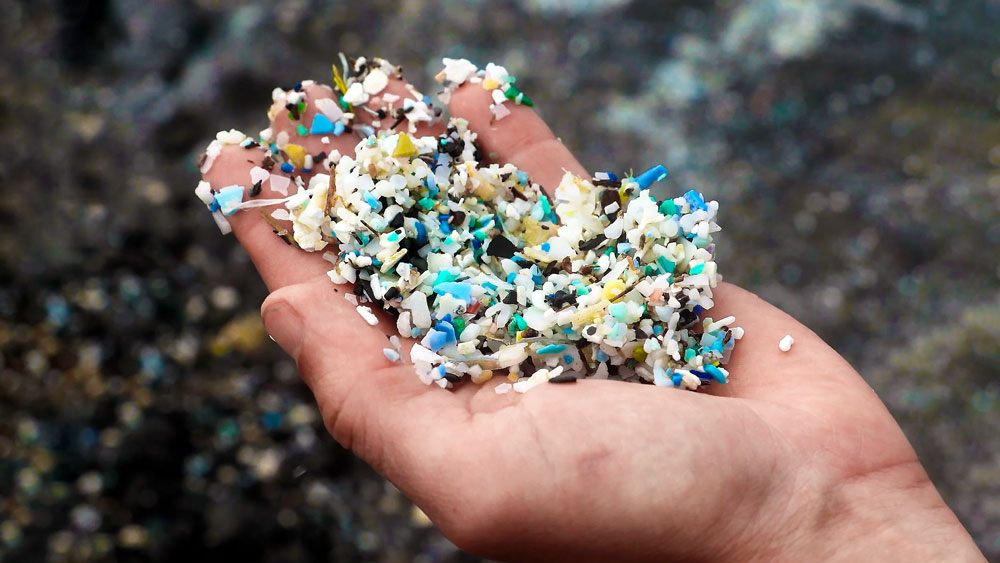
Researchers at Tokyo Metropolitan University set out to understand how polymer-coated fertilizer (PCF) used on farmland eventually reaches beaches and ocean waters. By examining PCF debris collected from shorelines across Japan, they found that very little fertilizer plastic returns to land through rivers.
According to a report by Science Daily, only about 0.2% of the PCFs applied in nearby areas were detected on beaches near river mouths. However, the picture changes dramatically when farmland is connected to the ocean by canals. In those cases, as much as 28% of the fertilizer plastic was found washing back onto shore. These results point to beaches as a potentially important but overlooked “sink” in the global movement of plastic pollution.
Plastic pollution in the ocean threatens marine life, ecosystems, and human health. Scientists estimate that roughly 90% of the plastic that has entered the ocean is no longer visible at the surface. Much of it is believed to have settled on the seafloor or become trapped in various environmental “sinks.” To reduce the growing problem of plastic waste, researchers are trying to untangle how plastic travels from where it is used on land to where it ultimately ends up in the ocean.