
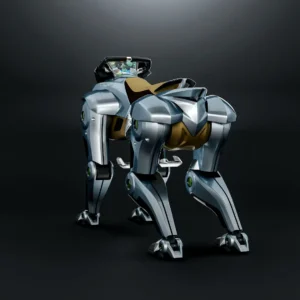
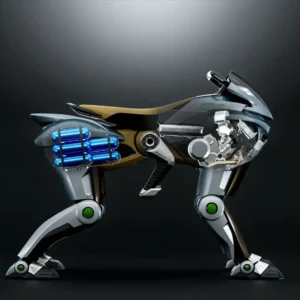
The year is 2077. Across the globe, our urban centres and wild landscapes are undergoing a profound transformation. This shift, from environmental degradation to a harmonious coexistence, is driven not just by policy, but by pioneering technology. Among the most remarkable innovations now poised to reshape our interaction with the environment is the Corleo, Kawasaki Heavy Industries’ revolutionary robotic horse. It’s not merely a new mode of transport; it’s a powerful symbol and practical tool for advancing Environmental, Social, and Governance (ESG) principles on a global scale.
The Corleo concept was famously unveiled at the Osaka Expo 2025 in Japan, highlighting Kawasaki’s bold vision for future mobility. This showcase aimed to inspire further innovation in the field of personal transportation, particularly in areas where traditional methods are limited. Pentas Flora recognises that true progress in ESG comes from solutions that are seamlessly integrated and deliver tangible benefits across all three pillars. The Corleo exemplifies this, demonstrating how advanced robotics can propel us towards a more sustainable and equitable future.
Environmental Stewardship on Four Legs
The Corleo’s environmental credentials are central to its design. Unlike traditional vehicles, even electric ones, which still require extensive battery production and recycling infrastructure, the Corleo operates on a hydrogen engine. This produces zero tailpipe emissions, with only water vapour as its byproduct. This commitment to clean energy is a significant stride towards mitigating climate change and improving air quality in diverse environments, from bustling cities to pristine natural reserves. This aligns perfectly with the “E” in ESG.
For environmentalists, conservationists, and land managers, the Corleo offers unprecedented access with a minimal ecological footprint. Its design facilitates low-impact mobility: independently articulating legs and robust, grippy hooves allow it to navigate challenging terrains—from steep rocky outcrops to boggy valleys—without causing soil compaction or disturbing delicate flora and fauna. This capability is crucial for biodiversity protection and enables more effective, less intrusive wilderness management compared to traditional vehicles or even extensive human foot traffic over sensitive areas.
Bridging Gaps and Enhancing Well-being
The Corleo’s contributions to the social dimension of ESG are equally profound and universally applicable. Its ability to traverse otherwise impassable terrain can revolutionise access for remote or underserved communities worldwide. These areas, often isolated by geographical barriers and where traditional methods of transport are limited, could receive regular deliveries of vital medical supplies, educational resources, and essential goods, significantly improving their quality of life and reducing disparities in access to services.
In emergency scenarios, the Corleo’s agility proves invaluable. Search and rescue teams could utilise it to reach stranded individuals in a fraction of the time, navigating treacherous paths that conventional vehicles cannot. Following natural disasters, where critical infrastructure is often destroyed, Corleos could enable medical professionals and aid workers to deliver immediate and critical assistance to affected populations, ensuring timely intervention and support when it’s needed most. This enhanced accessibility and emergency response capability directly strengthens community resilience and well-being.
Furthermore, the Corleo could open up new avenues for recreation and mental well-being. In designated zones, individuals could experience the unique thrill of traversing natural landscapes, fostering a deeper connection with the environment. This offers a distinctive form of therapy and recreation, a way to engage with the outdoors without the ethical complexities or financial burdens associated with owning and maintaining a live animal. It promotes public health and engagement with nature, contributing to a more holistic societal well-being.
A Blueprint for Responsible Technology
The successful integration and widespread adoption of the Corleo also implicitly highlight strong governance principles in technological innovation. Its development by Kawasaki Heavy Industries underscores a commitment to safety, sustainability, and ethical design. The intuitive control system, which mimics the responsiveness of a living horse to rider movements, prioritises user safety and ease of adoption. The fundamental choice of hydrogen power demonstrates a proactive approach to mitigating environmental impact from the earliest design stages, showcasing responsible product stewardship.






Moreover, the potential for collaborative efforts between public bodies, private enterprises like Kawasaki, and environmental organisations in deploying and managing technologies like the Corleo showcases a progressive governance model. This approach ensures that technological advancements serve broader societal good, are integrated responsibly into existing frameworks, and contribute to long-term sustainability goals.
The Corleo stands as a powerful example of how purposeful technological innovation, originating from anywhere in the world, when aligned with robust ESG principles, can not only transform our infrastructure and environment but also profoundly improve human lives globally. It’s a clear signal that the future of ESG is not just about compliance, but about creating tangible, impactful solutions that enable a truly greener and more equitable world for all.