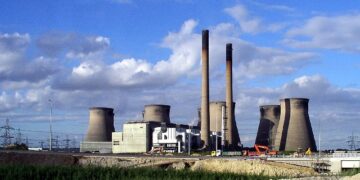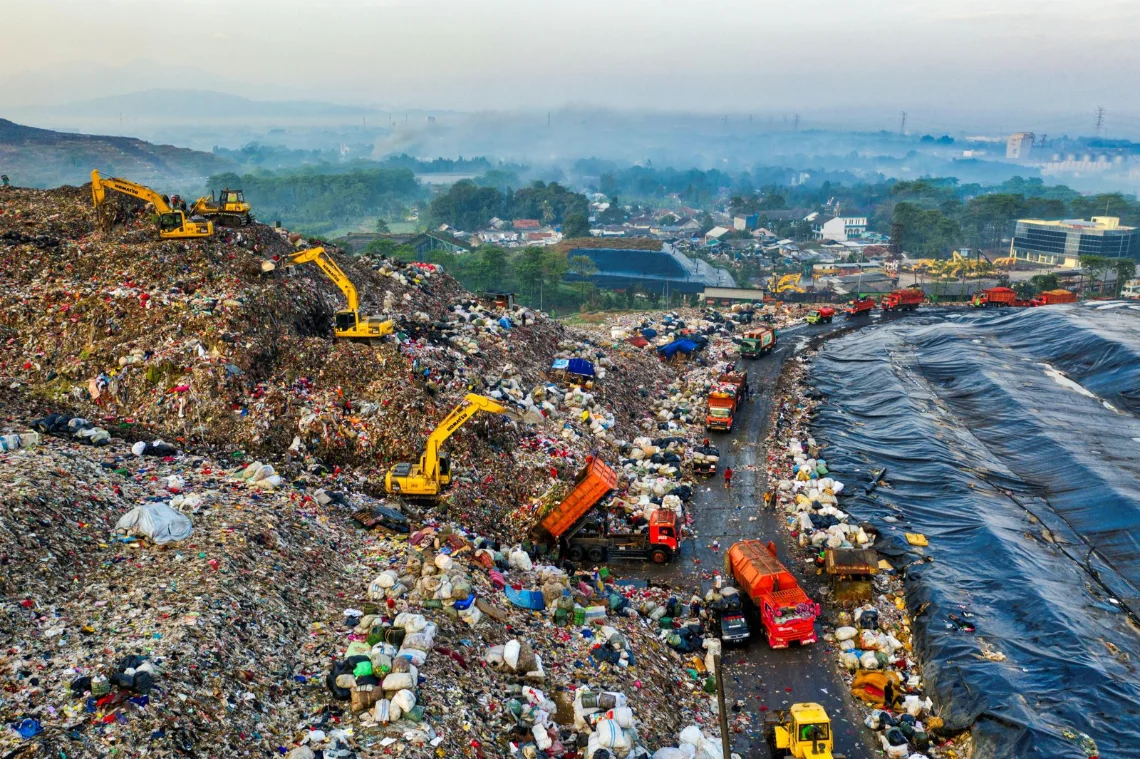
The concept of waste-to-energy (WTE) has been gaining traction worldwide as a sustainable solution to address the growing problem of waste management. As Malaysia continues to urbanise and industrialise, the volume of waste generated is also on the rise. WTE offers a promising avenue to convert waste into valuable energy resources, reducing landfill reliance and mitigating environmental impact.
WTE involves the process of converting various types of waste, such as hazardous waste, municipal solid waste (MSW), industrial waste, and agricultural waste, into electricity or heat. This conversion is achieved through either incineration or gasification technologies. In incineration, the waste is burned at high temperatures, producing heat that can be used to generate steam to drive turbines and produce electricity. Gasification involves the partial combustion of waste in a controlled environment, creating a gas mixture (syngas) that can be cleaned and used as a fuel for electricity generation or other industrial processes.
The implementation of WTE projects in Malaysia requires careful planning and consideration of several factors, including the type and quality of waste available, the availability of adequate infrastructure, environmental regulations, and public acceptance. By addressing these factors, Malaysia can successfully harness the benefits of WTE, such as reduced landfill dependency, energy generation, waste reduction, economic benefits, and environmental benefits.

Globally, WTE has gained significant momentum, with numerous countries implementing successful projects. For instance, Sweden, often hailed as a leader in waste management, has achieved a near-zero landfill rate by utilising WTE technologies to process a large portion of its waste. Similarly, Japan has made substantial progress in WTE adoption, with numerous facilities contributing to the country’s energy supply.
In Malaysia, while the adoption of WTE is still in its early stages, there is growing interest and potential for its development. The country’s increasing waste generation and the need for sustainable waste management solutions make WTE a viable option.
According to the Malaysian Department of Environment, the country generated approximately 38,000 tonnes of solid waste per day in 2020. This figure is expected to increase significantly as Malaysia continues to urbanise and industrialise. While the exact landfill capacity varies across different states, many regions are facing challenges in managing the growing volume of waste.
In terms of energy consumption, Malaysia’s primary sources of energy are fossil fuels, such as coal, natural gas, and petroleum. The country has been working to diversify its energy mix and increase the use of renewable sources, as the demand for energy continues to grow.
The potential benefits of WTE for Malaysia are significant. By reducing landfill dependency, WTE can conserve valuable land resources and mitigate the associated environmental problems, such as methane emissions and groundwater contamination. Additionally, WTE can generate substantial amounts of electricity, contributing to the country’s energy mix and reducing reliance on fossil fuels. This can help address energy security concerns and promote sustainable development.
Furthermore, WTE can encourage waste reduction and recycling efforts, promoting a more circular economy. By converting waste into energy, WTE can create new jobs in the waste management and energy sectors, stimulating economic growth. Finally, WTE can help reduce greenhouse gas emissions compared to landfilling, contributing to Malaysia’s efforts to combat climate change.
Pentas Flora, with its upcoming Bukit Kapar land purchase, is poised to play a pivotal role in driving the development of WTE projects in Malaysia. By investing in this sustainable technology, Pentas Flora can contribute to a cleaner and greener future for the country.
As Malaysia continues to explore the WTE potential, it is important to ensure that projects are implemented responsibly and sustainably. By conducting thorough environmental impact assessments and implementing strict regulations, Malaysia can harness the benefits of WTE while minimising negative impacts. By embracing WTE technology, Malaysia can take a significant step towards a more sustainable and resilient future.