• About Us
  • Contact Us
SUBSCRIBE
Saturday, June 6, 2026
No Result
View All Result
Green Mile
Advertisement
  • Spotlights
  • Sustainability
  • Waste Management
  • Green Innovations
  • Industries
    • Oil & Gas
    • Re-refinery
    • Maritime
    • Automotive
    • Manufacturing
    • Plantation
  • News
    • News
    • EPR Updates
    • Base Oil Update
  • eMag
  • Spotlights
  • Sustainability
  • Waste Management
  • Green Innovations
  • Industries
    • Oil & Gas
    • Re-refinery
    • Maritime
    • Automotive
    • Manufacturing
    • Plantation
  • News
    • News
    • EPR Updates
    • Base Oil Update
  • eMag
No Result
View All Result
Green Mile
No Result
View All Result
Home News

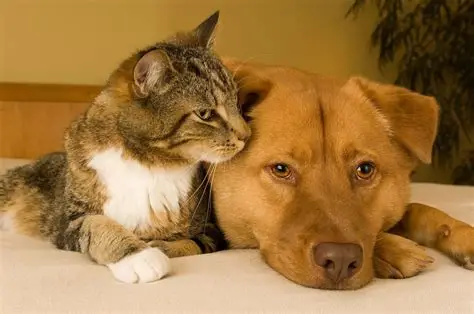
Flea and tick treatments for dogs and cats may be harming wildlife

rakesh by rakesh
23/02/2026
in News
0
Flea and tick treatments for dogs and cats may be harming wildlife
0
SHARES
0
VIEWS
Share on FacebookShare on LinkedinShare to EmailShare to WhatsAppShare to TelegramShare to ChatGPTShare to Pinterest

A study published in Environmental Toxicology and Chemistry by Oxford University Press reports that widely used flea and tick treatments for dogs and cats may pose a serious threat to insects in the natural environment.

Isoxazoline drugs are a relatively new class of antiparasitic medications prescribed by veterinarians around the world to protect pets from fleas and ticks. Introduced in 2013, they quickly gained popularity because they were the first oral treatments capable of controlling both pests for a month or longer. After pets take these medications, the active compounds pass through their bodies and are excreted in feces.

The European Medicines Agency has previously warned that these substances could contaminate ecosystems, although detailed information about how much of the drugs enter the environment remains limited. The main concern centers on how veterinary parasite treatments might affect species that are not the intended targets.

Isoxazolines are designed to kill fleas and ticks, but when treated animals eliminate the drugs, other insects may also be exposed. Research suggests pets can introduce these chemicals into the environment through feces, urine, and even shed hair. Of particular concern are dung-feeding insects such as flies, dung beetles, and some butterflies. These species play a vital role in breaking down waste, recycling nutrients, improving soil quality, and helping control pests. If they consume feces containing the drug residues, they may be harmed.
Previous Post

As reefs vanish, assisted coral fertilization offers hope in the Dominican Republic – AP

Next Post

Toxic metals found in bananas after Brazil mining disaster

rakesh

rakesh

Related Posts

Decarbonisation a ‘critical corporate priority’ for Mitsubishi Corporation
News

Decarbonisation a ‘critical corporate priority’ for Mitsubishi Corporation

by rakesh
31/03/2026
Sustainability at scale: The Siemens Playbook for India’s net-zero future – Forbes
News

Sustainability at scale: The Siemens Playbook for India’s net-zero future – Forbes

by rakesh
31/03/2026
Tourism Australia unveils industry sustainability initiative
News

Tourism Australia unveils industry sustainability initiative

by rakesh
31/03/2026
SAF: The most promising path to green flight.
News

Rising oil prices amid Iran war renew focus on sustainable aviation fuel – CNA

by rakesh
31/03/2026
Sustainability increasingly linked to financial performance, study finds
News

Sustainability increasingly linked to financial performance, study finds

by rakesh
31/03/2026
Next Post
Toxic metals found in bananas after Brazil mining disaster

Toxic metals found in bananas after Brazil mining disaster

Premium Content

Singapore sets first ever sustainable aviation fuel levy, as Southeast Asia’s fuel industry grows

Singapore sets first ever sustainable aviation fuel levy, as Southeast Asia’s fuel industry grows

25/02/2026
Urge for caution over rare earth discovery in Penang

Malaysia’s rare earth industry stalled by technology gaps, environmental limits

02/12/2025
Global EV sales growth slowest since Feb 2024 on China plateau, US policy change

Global EV sales growth slowest since Feb 2024 on China plateau, US policy change

12/12/2025

Browse by Category

  • Automotive
  • Green Innovations
  • Maritime
  • News
  • Oil & Gas
  • Plantation
  • Re-refinery
  • Spotlights
  • Sustainability
  • Waste Management
Green Mile

Green Mile (GM) is a leading online magazine dedicated to fostering sustainable waste management practices, sustainability and the circular economy.

Categories

  • Automotive
  • Green Innovations
  • Maritime
  • News
  • Oil & Gas
  • Plantation
  • Re-refinery
  • Spotlights
  • Sustainability
  • Waste Management

Recent Posts

  • Decarbonisation a ‘critical corporate priority’ for Mitsubishi Corporation
  • Sustainability at scale: The Siemens Playbook for India’s net-zero future – Forbes
  • Tourism Australia unveils industry sustainability initiative

Contact Us

HQ address:
Level 23A, EXSIM Tower @ Millerz Square,
Jalan Klang Lama, 58000 Kuala Lumpur.
Office no: ‪+603-8080 1000‬

Gunaprasth Bupalan, Editor-In-Chief
Guna@greenmile.com.my
Contact no: ‪+6017-920 3544‬

Jeffrey Chiak- Head of Marketing
jeffrey@greenmile.com.my
H/P no: 6012-358 7296

© 2025 Green Mile Communications Sdn. Bhd. 202501049682 (1651090-M) | Developed by CL Online Marketing Agency

No Result
View All Result
  • Home
  • Sustainability
  • Waste Management
  • Green Innovations
  • Oil & Gas
  • Re-refinery
  • Plantation
  • Maritime
  • Automotive
  • Manufacturing
  • EPR Updates

© 2025 Green Mile Communications Sdn. Bhd. 202501049682 (1651090-M) | Developed by CL Online Marketing Agency