The Sustainable Resources and Wastes Management Bill 2025 marks a major shift towards a cleaner, smarter, and more efficient economy, said Datuk Dennis Ngau (GPS-Telang Usan) as reported at the state’s ministry portal.
He described the legislation, passed at the State Legislative Assembly (DUN) on Tuesday, as a measured and forward-looking step that promotes sustainable resource use while opening new economic avenues for Sarawak.
“This Bill is not simply about bins and recycling targets, it is about our state leadership choosing to invest in a future that is cleaner, smarter, and more secure.
“It is about recognising that sustainability is not merely an environmental issue but an economic and social one. Importantly, it is to turn waste into opportunity,” he said when debating the Bill.
Dennis said the Bill offers a better alternative for waste management in the state and addresses long-overlooked opportunities “that have been right under our nose all this while”.
He added that the Bill creates a framework that rewards innovation, reduces environmental harm, and supports business growth, while giving local authorities and communities the tools to transition towards a more efficient and circular economy.
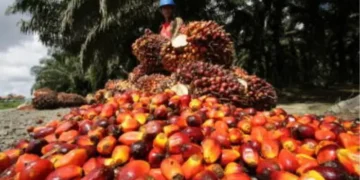
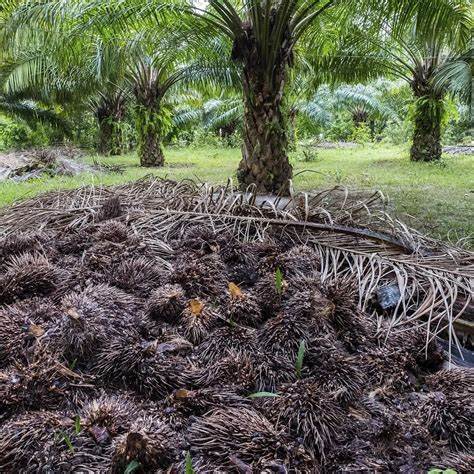
Citing palm oil waste as one of the state’s largest untapped resources, Dennis said a coordinated waste management authority could monetise by-products such as empty fruit bunches (EFB), palm oil mill effluent (POME), palm kernel shells (PKS), mesocarp fibres, fronds, trunks, biogas, biomass energy, fertilisers, compost, biochar, bioplastics, and fibre-based products.
“All of these materials have commercial value when processed properly. These developments are not only economically attractive, they also support our broader environmental objectives,” he said.
He emphasised that palm biomass opportunities are not limited to major industries but extend to longhouses, villages, and small towns across rural Sarawak.