Recent deadly wildfires in parts of Argentina and Chile would have been less likely to occur in a cooler world, according to a new study.
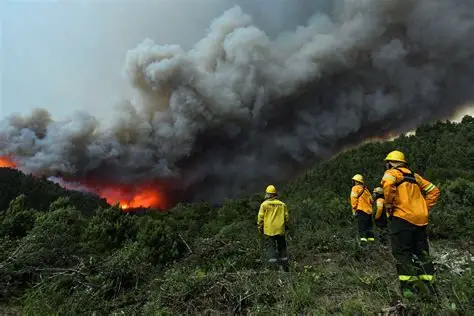
New research by the World Weather Attribution group concluded that reduced rainfall and elevated temperatures created the perfect conditions for the wildfires to spread. The blazes ripped through the Andean foothills of central-southern Chile and across northern Patagonia in Argentina, affecting dense native forests, national parks, and small rural and tourist communities along the Chile–Argentina border.
Months of drought, temperatures above 38C and winds of 40–50 km/h allowed the fires to spread rapidly, destroying thousands of homes, killing and injuring dozens of people, and prompting local authorities to declare a state of emergency.
Human-induced climate change, which is primarily caused by the burning of fossil fuels, made the weather that accompanied recent wildfires in Patagonia about 2.5 more likely and 3 times more likely in Chile, the study concluded. “In both regions the event would have been rarer in a 1.3C cooler world,” it said.
Read further here.