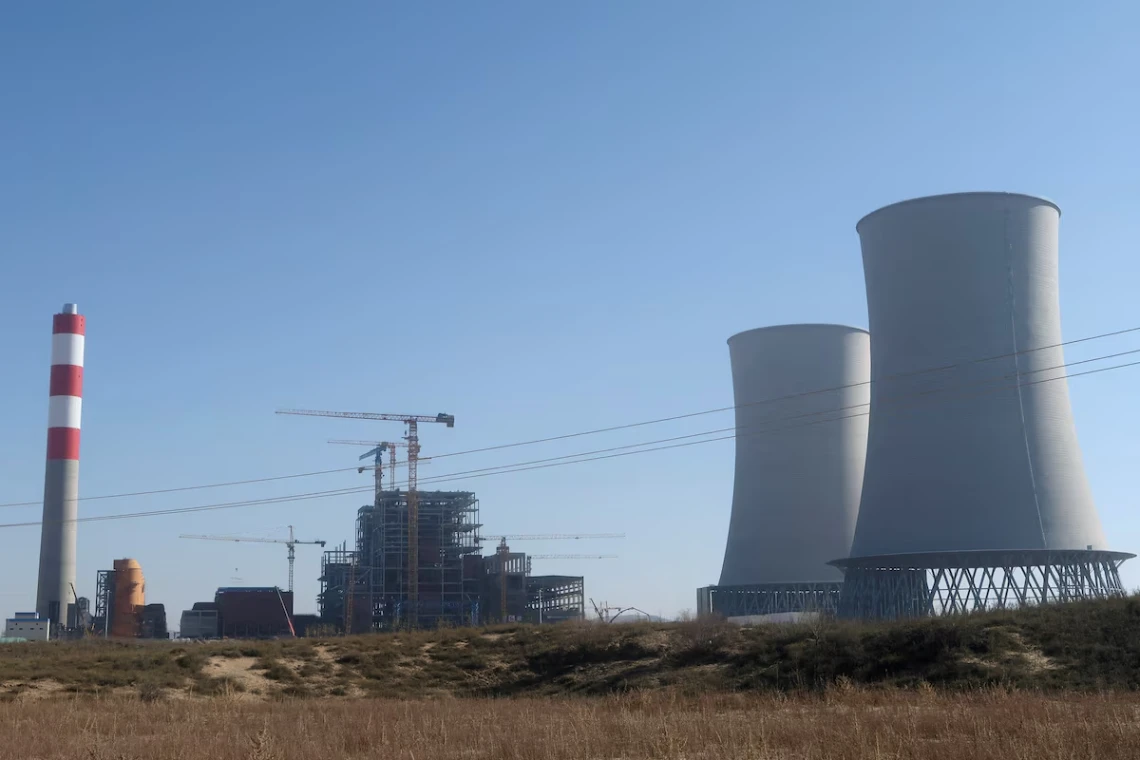
Decades-long coal-fired power purchase contracts are slowing the transition to cleaner energy sources in Asia, leading utilities to burn more coal even when wind and solar power are available, according to climate researchers and renewable energy advocates.
According to an analysis feature from Reuters, rising dependence on coal for power generation in countries such as Indonesia and Vietnam is a major obstacle to global efforts to combat climate change, exacerbated by stalled funding for renewable energy projects from rich countries.
Southeast Asia has 50% to 100% of coal-fired power capacity locked in purchase agreements with about nine to 18 years left on average, according to data from the Powering Past Coal Alliance (PPCA), a coalition of governments, businesses and other organizations pushing for coal use to be phased out.
Buyers in other major Asian economies, like China and India, also hold substantial long-term purchase agreements for coal-fired electricity, leading to underutilisation of wind and solar power in some cases, renewable energy experts say.
“Many of these contracts are often ill-suited to the demands of a modern, renewables-integrated grid,” Julia Skorupska, head of secretariat at the PPCA told Reuters on the sidelines of the COP30 climate conference in Brazil.