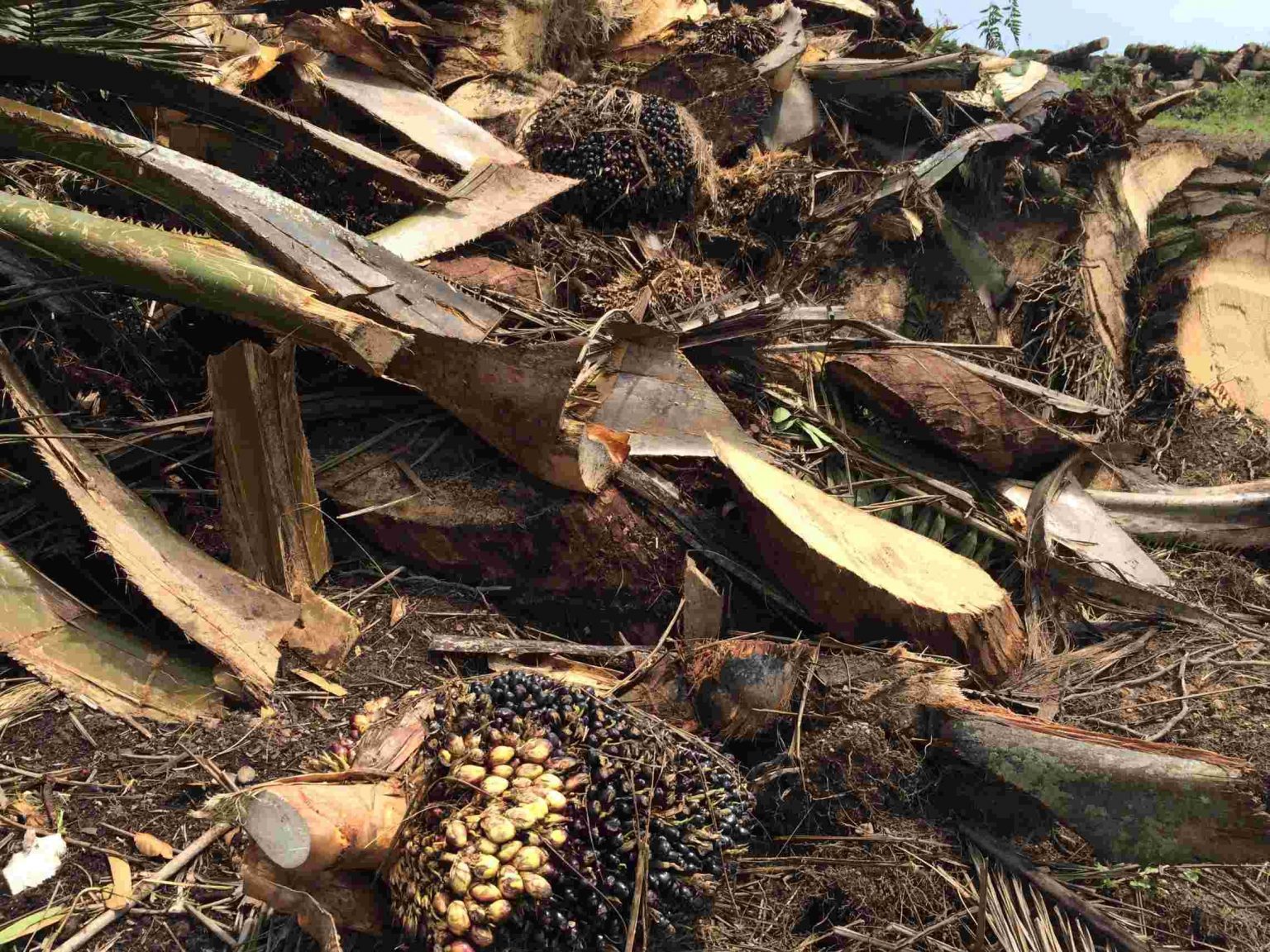
“We also focus on turning palm oil waste into a circular economy, such as using empty fruit bunches (EFB) as feedstock for renewable energy and used cooking oil (UCO) for sustainable aviation fuel (SAF),” said Johari.
The palm oil sector in Malaysia is expected to remain stable by 2026, in line with the rebound in soybean oil prices that will narrow the large price gap between the two oils, said Plantation and Commodities Minister Datuk Seri Johari Abdul Ghani.
He said the recovery in soybean oil prices would strengthen Malaysia’s palm oil sector.
He also noted that Malaysia remains focused on increasing palm oil yield, using good planting material and avoiding deforestation.
“We also focus on turning palm oil waste into a circular economy, such as using empty fruit bunches (EFB) as feedstock for renewable energy and used cooking oil (UCO) for sustainable aviation fuel (SAF),” said Johari.
Malaysia remains the second-largest palm oil producer in the world, behind Indonesia. So far, Malaysia has produced 19.4 million tonnes of palm oil compared to 50 million tonnes by Indonesia.