As COP30 concluded in Belém, there was one message that stood out across negotiations – the need for the next phase of climate action to tackle the hard-to-abate sectors, especially the vast and often overlooked world of industrial heat.
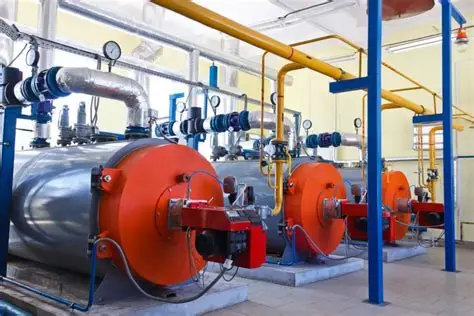
Public discourse tends to emphasise solar energy, EV adoption, and grid modernisation. Yet in Malaysia, steam and thermal energy are quietly powering the bulk of industrial activities.
Food processing, palm oil milling, paper production, rubber manufacturing, and chemical processing are all heavily reliant on boilers, fuelled by natural gas, diesel or coal.
These processes represent a substantial share of industrial emissions but attract far less policy and financing attention than what the market is fixated on – i.e. electricity generation.
Malaysia’s heavy reliance on resource processing and export manufacturing suggests that the proportion is rather similarly large and significant here.
As global climate frameworks push countries to demonstrate tangible emissions reductions, Malaysian exporters will increasingly be scrutinised for how they decarbonise their heat systems, and not just their electricity mix.