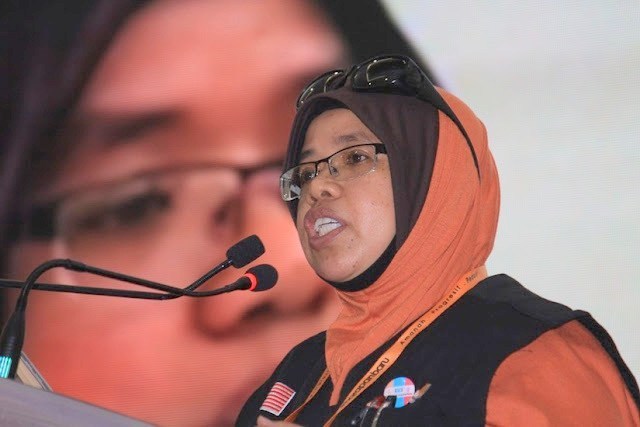
Frequent use of leaf blowers in public cleansing does not require scientific studies, including Social or Environmental Impact Assessments (SIA/EIA) to assess the impact of airborne dust such as PM2.5 and PM10 on urban residents, said Deputy Housing and Local Government Minister Datuk Aiman Athirah Sabu, The Malay Mail reported.
PM2.5 and PM10 are airborne particles measuring 2.5 micrometres or less and 10 micrometres or less, respectively, that can be inhaled and may cause respiratory issues.
“However, the ministry always follows guidance and findings from the Ministry of Health and the Department of Environment on the health impacts of airborne particles, especially for vulnerable groups,” she said during the oral question-and-answer session in the Dewan Negara today.
She was responding to a supplementary question from Senator Datuk Sivaraj Chandran on whether the ministry has conducted scientific studies on the health effects of airborne dust from frequent blower use on urban residents, particularly children and the elderly, and on the main findings.
Aiman Athirah said prolonged exposure to PM2.5 and PM10 can generally affect the respiratory and cardiovascular systems, so the ministry takes this into account in its operations and enforces compliance with established manuals.
Read the rest of the news here.