• About Us
  • Contact Us
SUBSCRIBE
Friday, April 17, 2026
No Result
View All Result
Green Mile
Advertisement
  • Spotlights
  • Sustainability
  • Waste Management
  • Green Innovations
  • Industries
    • Oil & Gas
    • Re-refinery
    • Maritime
    • Automotive
    • Manufacturing
    • Plantation
  • News
    • News
    • EPR Updates
    • Base Oil Update
  • eMag
  • Spotlights
  • Sustainability
  • Waste Management
  • Green Innovations
  • Industries
    • Oil & Gas
    • Re-refinery
    • Maritime
    • Automotive
    • Manufacturing
    • Plantation
  • News
    • News
    • EPR Updates
    • Base Oil Update
  • eMag
No Result
View All Result
Green Mile
No Result
View All Result
Home News

Textile Terms Mislead, Harm Environment – Op Ed

The fashion industry is full of greenwashing, with brands using language to manipulate consumers.

rakesh by rakesh
04/03/2026
in News
0
Textile Terms Mislead, Harm Environment – Op Ed
0
SHARES
0
VIEWS
Share on FacebookShare on LinkedinShare to EmailShare to WhatsAppShare to TelegramShare to ChatGPTShare to Pinterest

If you care about sustainability, buying something as simple as a pillowcase can feel surprisingly hard.

Search for “sustainable sheets,” and you’re flooded with familiar and tantalising promises: silky, bamboo, vegan, antimicrobial, breathable, and organic. The language sounds reassuringly scientific and ethical, suggesting comfort, health, and environmental responsibility all wrapped up in one product.

The problem is that, in textiles, these words rarely mean what consumers think they mean.

The fashion industry is full of greenwashing, with brands using language to manipulate consumers.

The Australian Competition and Consumer Commission’s 2023 sweep into greenwashing claims identified textiles, garments and shoes as one of the most problematic sectors.

As textile researchers, we spend a lot of time unpacking product descriptions that look authoritative but often conflate different fabric components (fibre, yarn, fabric construction and finishes) into a single performance or marketing claim.

In one recent example, it took us more than 20 minutes to decode what was being sold as a “regenerated silk” fibre.

If two textile academics struggle to decipher a product description, the problem isn’t consumer literacy. It’s the way the information is being presented.

Read the rest of the very interesting, detailed column here.

Previous Post

AR As A Sustainability Tool: Replacing Physical Infrastructure With Digital Layers – Op Ed

Next Post

Hong Kong Sees Warmest Winter on Record

rakesh

rakesh

Related Posts

Decarbonisation a ‘critical corporate priority’ for Mitsubishi Corporation
News

Decarbonisation a ‘critical corporate priority’ for Mitsubishi Corporation

by rakesh
31/03/2026
Sustainability at scale: The Siemens Playbook for India’s net-zero future – Forbes
News

Sustainability at scale: The Siemens Playbook for India’s net-zero future – Forbes

by rakesh
31/03/2026
Tourism Australia unveils industry sustainability initiative
News

Tourism Australia unveils industry sustainability initiative

by rakesh
31/03/2026
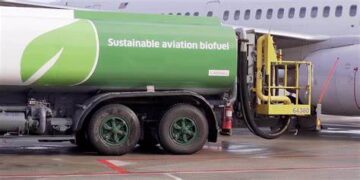
SAF: The most promising path to green flight.
News

Rising oil prices amid Iran war renew focus on sustainable aviation fuel – CNA

by rakesh
31/03/2026
Sustainability increasingly linked to financial performance, study finds
News

Sustainability increasingly linked to financial performance, study finds

by rakesh
31/03/2026
Next Post
Hong Kong Sees Warmest Winter on Record

Hong Kong Sees Warmest Winter on Record

Premium Content

Sustainable Switch Climate Focus: Celebrating the companies still prioritising sustainability

Sustainable Switch Climate Focus: Celebrating the companies still prioritising sustainability

19/01/2026
Davos: China defends wind power strategy after Trump’s criticism – Reuters

TotalEnergies abandons US offshore wind, will invest $1 billion in fossil fuel projects

24/03/2026
Maersk explores more ethanol use for green fuel to cut reliance on China, FT reports

Maersk explores more ethanol use for green fuel to cut reliance on China, FT reports

12/01/2026

Browse by Category

  • Automotive
  • Green Innovations
  • Maritime
  • News
  • Oil & Gas
  • Plantation
  • Re-refinery
  • Spotlights
  • Sustainability
  • Waste Management
Green Mile

Green Mile (GM) is a leading online magazine dedicated to fostering sustainable waste management practices, sustainability and the circular economy.

Categories

  • Automotive
  • Green Innovations
  • Maritime
  • News
  • Oil & Gas
  • Plantation
  • Re-refinery
  • Spotlights
  • Sustainability
  • Waste Management

Recent Posts

  • Decarbonisation a ‘critical corporate priority’ for Mitsubishi Corporation
  • Sustainability at scale: The Siemens Playbook for India’s net-zero future – Forbes
  • Tourism Australia unveils industry sustainability initiative

Contact Us

HQ address:
Level 23A, EXSIM Tower @ Millerz Square,
Jalan Klang Lama, 58000 Kuala Lumpur.
Office no: ‪+603-8080 1000‬

Gunaprasth Bupalan, Editor-In-Chief
Guna@greenmile.com.my
Contact no: ‪+6017-920 3544‬

Jeffrey Chiak- Head of Marketing
jeffrey@greenmile.com.my
H/P no: 6012-358 7296

© 2025 Green Mile Communications Sdn. Bhd. 202501049682 (1651090-M) | Developed by CL Online Marketing Agency

No Result
View All Result
  • Home
  • Sustainability
  • Waste Management
  • Green Innovations
  • Oil & Gas
  • Re-refinery
  • Plantation
  • Maritime
  • Automotive
  • Manufacturing
  • EPR Updates

© 2025 Green Mile Communications Sdn. Bhd. 202501049682 (1651090-M) | Developed by CL Online Marketing Agency