The following is an article from Canada’s The Varsity portal.
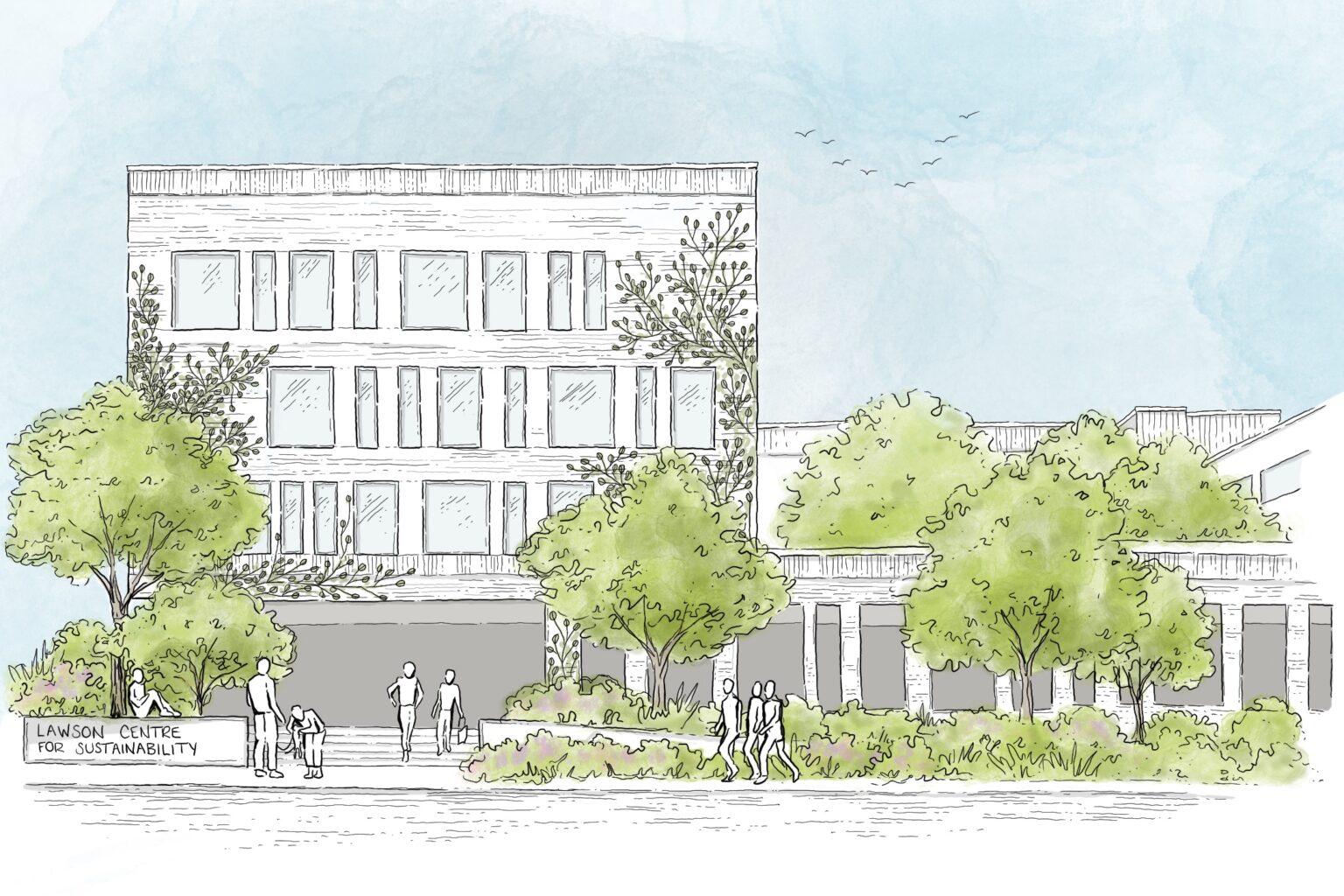
Last October, Trinity College’s new Lawson Centre for Sustainability won the Holcim Foundation Award. The foundation honours Regional Grand Prizes to 20 projects across the world for “outstanding contributions to sustainable construction,” with each winner receiving a prize of 40,000 USD.
The Lawson Centre — which will provide Trinity College with new residential, academic, and dining spaces — was designed with sustainability in mind. For example, the architects sourced almost all building components from Ontario and have included rooftop solar panels in their designs.
The Lawson Centre is one of many new eco-friendly buildings popping up on campus. Seeing as globally, construction is responsible for almost 40 per cent of carbon emissions, the climate incentives behind these investments are clear.
Moreover, the idea that sustainable construction projects can often have high upfront costs still persists, even though a recent study from the Green Building Council of Denmark determined that there is little correlation between construction costs and CO2 emissions.
In fact, building design often plays a bigger role in increasing costs than the higher prices associated with some eco-friendly technologies due to the necessary research and development required to implement them. Given this, are there any economic motives for builders to make sustainable investments?
Read further here.