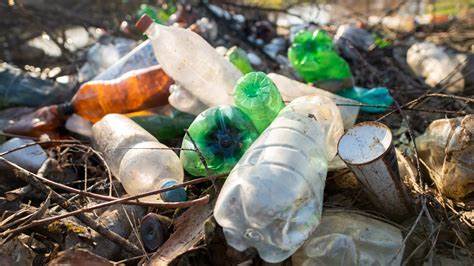
Despite clear evidence that plastic is clogging oceans and beaches and breaking down into microplastics that enter our bodies, humans are continuing to produce the material at accelerating rates.
The result: Global plastic pollution will hit 280 million metric tonnes per year by 2040, or a dump truck’s worth every second.
That is one of the alarming statistics from Breaking the Plastic Wave 2025, a report by the Pew Charitable Trusts with ICF International. It offers a comprehensive assessment of plastic pollution and its effect on human health and the environment.
There are some 16,000 different chemicals in plastics and scientists have identified more than one fourth of those as possibly harmful to human health.
In August, talks to forge an international treaty to rein in plastic pollution collapsed as countries that produce the majority of the material blocked proposals to limit the amount of new plastic created. Meanwhile, recycling rates have remained low.
The new report is a bit of a hybrid. It compiles data from recent research and then runs it through a model to predict outcomes under different policy scenarios. Winnie Lau, director of Pew’s Preventing Ocean Plastics project and one of the authors, said the team “wanted to pull it all together in one integrated analysis to look at impacts across the board.”
Pew published a similar report in 2020, but it limited the scope then to pollution from consumer-facing plastics like packaging that end up in solid waste systems. This report looks far beyond that to include “hidden” plastics, including those used in the construction, agriculture and transportation sectors.