Fast fashion, a term now central to discussions on sustainability and environmental consciousness, refers to a business model characterized by the rapid design, production, and marketing of inexpensive clothing.
Fast fashion companies focus on low-cost garments that replicate the latest fashion trends, quickly pushing them into stores to capitalize on these trends. This means that retailers are able to offer a greater variety of products in large quantities and allow consumers to get more fashion and product differentiation at a low price.
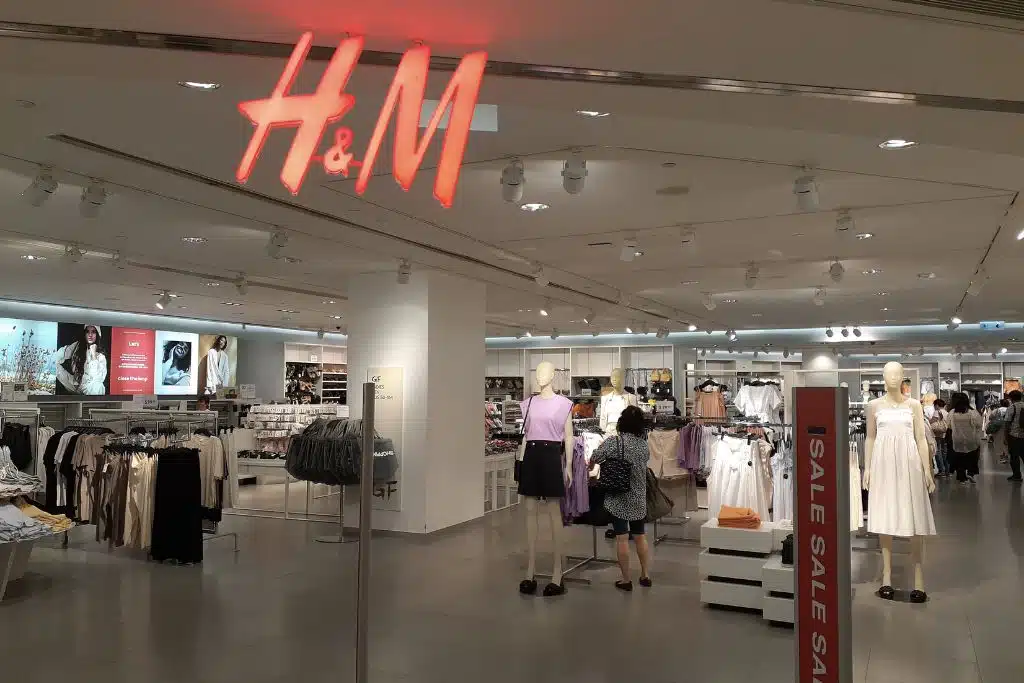
The term was first used at the beginning of the 1990s, when Zara landed in New York. The term “fast fashion” was coined by the New York Times to describe Zara’s mission to allow garments to go from the design stage to being sold in stores in just 15 days. The biggest players in the fast fashion world include Spanish fashion giant Zara, Chinese Shein, Japanese UNIQLO, and Swedish H&M.
e According to an analysis by Business Insider, fashion production comprises 10% of total global carbon emissions, as much as the emissions generated by the European Union. The industry dries up water resources and pollutes rivers and streams, while 85% of all textiles go to dumps each year. Even washing clothes releases 500,000 tons of microfibers into the ocean each year, the equivalent of 50 billion plastic bottles.
The Quantis International 2018 report found that the three main drivers of the industry’s global pollution impacts are dyeing and finishing (36%), yarn preparation (28%) and fiber production (15%). The report also established that fiber production has the largest impact on freshwater withdrawal (water diverted or withdrawn from a surface water or groundwater source) and ecosystem quality due to cotton cultivation, while the dyeing and finishing, yarn preparation and fiber production stages have the highest impacts on resource depletion, due to the energy-intensive processes based on fossil fuel energy.
Read further here.