• About Us
  • Contact Us
SUBSCRIBE
Wednesday, July 29, 2026
No Result
View All Result
Green Mile
Advertisement
  • Spotlights
  • Sustainability
  • Waste Management
  • Green Innovations
  • Industries
    • Oil & Gas
    • Re-refinery
    • Maritime
    • Automotive
    • Manufacturing
    • Plantation
  • News
    • News
    • EPR Updates
    • Base Oil Update
  • eMag
  • Spotlights
  • Sustainability
  • Waste Management
  • Green Innovations
  • Industries
    • Oil & Gas
    • Re-refinery
    • Maritime
    • Automotive
    • Manufacturing
    • Plantation
  • News
    • News
    • EPR Updates
    • Base Oil Update
  • eMag
No Result
View All Result
Green Mile
No Result
View All Result
Home News

This plastic is made from milk and it vanishes in 13 weeks – Science Daily

Scientists racing to tackle plastic pollution have created a surprising new contender: a biodegradable packaging film made partly from milk protein.

rakesh by rakesh
04/03/2026
in News
0
This plastic is made from milk and it vanishes in 13 weeks – Science Daily

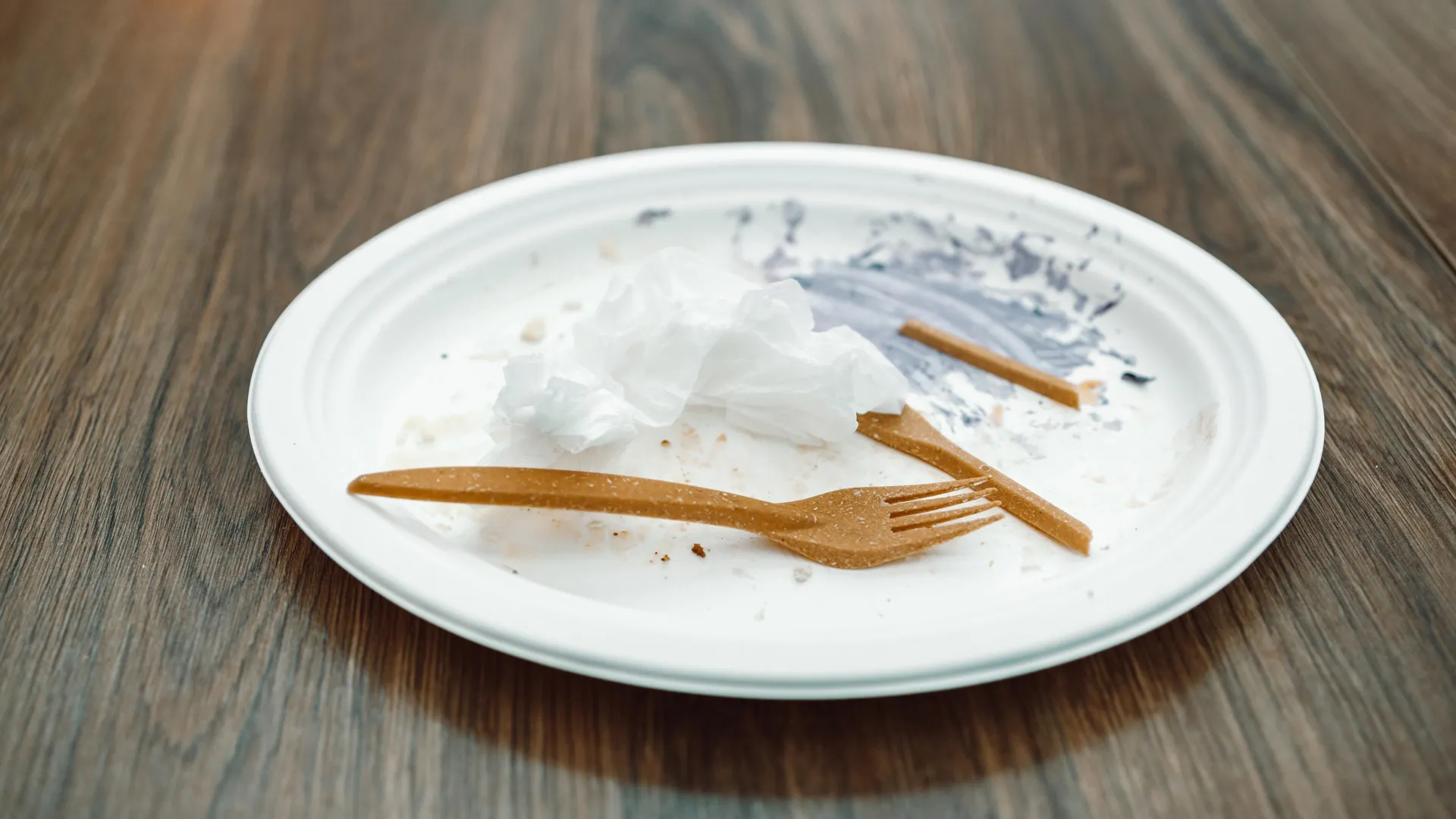
A new biodegradable film made from milk protein, starch, and nanoclay could offer a cleaner alternative to single-use food packaging. Pix credit: Shutterstock

0
SHARES
0
VIEWS
Share on FacebookShare on LinkedinShare to EmailShare to WhatsAppShare to TelegramShare to ChatGPTShare to Pinterest

As concerns grow about the environmental and health impacts of plastic waste, scientists are accelerating efforts to develop safer, biodegradable alternatives. At Flinders University in South Australia, several research teams are working on new materials designed to reduce pollution from single use plastics.

Science Daily portal cited a recent study published in Polymers, researchers created a thin, flexible film using calcium caseinate, a commercially available form of casein, the primary protein found in milk. They blended it with modified starch and bentonite nanoclay, then added glycerol and polyvinyl alcohol to improve durability and flexibility. The goal was to produce a material that performs like conventional plastic while being far more environmentally friendly.

Tests showed the material steadily decomposed under normal soil conditions, with full breakdown estimated within 13 weeks. The findings provide early evidence that combining biopolymers with nanoclay suspensions can produce functional films suitable for sustainable food packaging.

Safety was also evaluated. Microbial testing found bacterial colony levels remained within acceptable limits for non-antimicrobial biodegradable films, suggesting low toxicity.

“We would recommend further antibacterial evaluations in further testing and development,” says Professor Youhong Tang, a nanomaterials researcher at the Tonsley Campus, Flinders College of Science and Engineering.

Read the rest of the article here.

Previous Post

Sustainability Isn’t Failing—Communication Is – Op Ed

Next Post

Penang City Council turns food waste into compost, biodiesel

rakesh

rakesh

Related Posts

Decarbonisation a ‘critical corporate priority’ for Mitsubishi Corporation
News

Decarbonisation a ‘critical corporate priority’ for Mitsubishi Corporation

by rakesh
31/03/2026
Sustainability at scale: The Siemens Playbook for India’s net-zero future – Forbes
News

Sustainability at scale: The Siemens Playbook for India’s net-zero future – Forbes

by rakesh
31/03/2026
Tourism Australia unveils industry sustainability initiative
News

Tourism Australia unveils industry sustainability initiative

by rakesh
31/03/2026
SAF: The most promising path to green flight.
News

Rising oil prices amid Iran war renew focus on sustainable aviation fuel – CNA

by rakesh
31/03/2026
Sustainability increasingly linked to financial performance, study finds
News

Sustainability increasingly linked to financial performance, study finds

by rakesh
31/03/2026
Next Post
Penang City Council turns food waste into compost, biodiesel

Penang City Council turns food waste into compost, biodiesel

Premium Content

Fire-Prone Weather Days On the Rise As Planet Heats Up: Study

Fire-Prone Weather Days On the Rise As Planet Heats Up: Study

23/02/2026
No need for environmental impact assessments to use leaf blowers, says deputy housing minister

No need for environmental impact assessments to use leaf blowers, says deputy housing minister

05/03/2026
Up to 3,000 containers of e-waste smuggled into M’sia

Environment Ministry proposes national committee to tackle illegal e-waste imports

11/03/2026

Browse by Category

  • Automotive
  • Green Innovations
  • Maritime
  • News
  • Oil & Gas
  • Plantation
  • Re-refinery
  • Spotlights
  • Sustainability
  • Waste Management
Green Mile

Green Mile (GM) is a leading online magazine dedicated to fostering sustainable waste management practices, sustainability and the circular economy.

Categories

  • Automotive
  • Green Innovations
  • Maritime
  • News
  • Oil & Gas
  • Plantation
  • Re-refinery
  • Spotlights
  • Sustainability
  • Waste Management

Recent Posts

  • Decarbonisation a ‘critical corporate priority’ for Mitsubishi Corporation
  • Sustainability at scale: The Siemens Playbook for India’s net-zero future – Forbes
  • Tourism Australia unveils industry sustainability initiative

Contact Us

HQ address:
Level 23A, EXSIM Tower @ Millerz Square,
Jalan Klang Lama, 58000 Kuala Lumpur.
Office no: ‪+603-8080 1000‬

Gunaprasth Bupalan, Editor-In-Chief
Guna@greenmile.com.my
Contact no: ‪+6017-920 3544‬

Jeffrey Chiak- Head of Marketing
jeffrey@greenmile.com.my
H/P no: 6012-358 7296

© 2025 Green Mile Communications Sdn. Bhd. 202501049682 (1651090-M) | Developed by CL Online Marketing Agency

No Result
View All Result
  • Home
  • Sustainability
  • Waste Management
  • Green Innovations
  • Oil & Gas
  • Re-refinery
  • Plantation
  • Maritime
  • Automotive
  • Manufacturing
  • EPR Updates

© 2025 Green Mile Communications Sdn. Bhd. 202501049682 (1651090-M) | Developed by CL Online Marketing Agency